
A hammer toe can start as a small change in the position of a toe but may become increasingly uncomfortable over time. As the toe bends at the joint, patients may experience pain, irritation from shoes, corns or calluses, and difficulty walking comfortably. Without proper evaluation, the deformity may also become more rigid and harder to straighten.
For patients experiencing these concerns, a Loganville foot doctor can provide hammer toe treatment based on the severity of the deformity, symptoms, and individual needs. At Ankle & Foot Centers of America, patients in Loganville have access to comprehensive foot and ankle care, including both conservative treatment options and surgical correction when appropriate. Understanding the signs of hammer toe and seeking an evaluation can be an important first step toward improving comfort and foot function.
Table of Contents
What Is Hammertoe?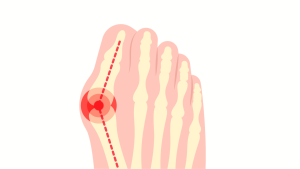
Hammertoe, also commonly written as hammer toe, is a foot deformity that causes one or more of the smaller toes to bend downward at the middle joint instead of remaining straight. This abnormal position can give the toe a curled or hammer-like appearance and may affect one or multiple toes.
Hammertoe develops when the muscles, tendons, and ligaments that normally help keep the toe properly aligned become imbalanced. In the early stages, the affected toe may remain flexible and can still move or straighten. As the condition progresses, however, the joint may become increasingly stiff and the toe may remain in a fixed, bent position.
While the appearance of a hammer toe may be the first noticeable change, the condition can also affect how the toe fits inside a shoe and how pressure is distributed across the foot. Over time, this can contribute to irritation and discomfort, making it important to have persistent changes in toe position evaluated by a podiatrist.
What Causes Hammertoe?
Understanding what causes hammertoe often starts with looking at how the muscles, tendons, and ligaments work together to keep the toes properly aligned. When these structures become imbalanced, the toe may gradually be pulled into a bent position at the joint.
Several factors can contribute to the development of a hammer toe. Foot structure and genetics may make some people more likely to develop the condition, particularly when other deformities, such as bunions or high arches, are present. Previous injuries to the toe can also affect its alignment and increase the likelihood of hammertoe developing.
Footwear may contribute as well. Shoes with a narrow toe box or insufficient room for the toes can place added pressure on the smaller toes and hold them in a bent position. Over time, this repeated pressure may contribute to changes in the toe’s alignment, especially in someone who is already predisposed to the condition.
Because hammertoe can develop for different reasons, identifying the factors contributing to the deformity is an important part of a podiatric evaluation and helps guide appropriate treatment.
Common Hammer Toe Symptoms

Hammer toe symptoms can vary depending on the severity of the deformity and whether the affected toe is still flexible or has become more rigid. One of the most recognizable signs is a toe that remains bent or curled at the middle joint. While some patients initially notice only a change in the appearance of the toe, discomfort may develop as the condition progresses.
Common symptoms associated with a hammer toe may include:
- Pain or tenderness in the affected toe
- A noticeable bend or curled appearance at the toe joint
- Redness, swelling, or irritation around the joint
- Corns or calluses where the toe rubs against footwear
- Difficulty comfortably wearing certain shoes
- Stiffness or reduced movement in the affected toe
- Discomfort when walking or standing
- Increased pressure on the ball of the foot
As hammertoe becomes more rigid, straightening or moving the affected toe may become increasingly difficult. Persistent pain, changes in toe alignment, or recurring irritation from footwear may be signs that it is time to have the condition evaluated by a podiatrist. A professional evaluation can determine the severity of the deformity and whether hammer toe treatment may be appropriate.
How Is Hammer Toe Diagnosed?
Diagnosing a hammer toe typically begins with a physical examination by a podiatrist. During the evaluation, the doctor examines the position of the affected toe, checks the joint’s range of motion, and determines whether the deformity is flexible or has become more rigid. Areas of redness, tenderness, corns, or calluses may also be evaluated to identify where pressure and friction are occurring.
The examination may also include an assessment of overall foot structure and alignment. Because hammertoe can occur alongside other foot conditions, such as bunions or changes in the arch, evaluating the entire foot can help identify factors that may be contributing to the deformity.
In some cases, X-rays may be used to provide a closer look at the bones and joints of the affected foot. These images can help determine the extent of the deformity and assist the podiatrist in developing an appropriate hammer toe treatment plan based on the patient’s symptoms, foot structure, and severity of the condition.
What Are the Options for Hammer Toe Treatment?

The right hammer toe treatment depends on several factors, including the severity of the deformity, whether the toe is flexible or rigid, and how much pain or difficulty it is causing. A podiatrist can evaluate the affected toe and recommend a treatment plan based on the patient’s individual needs.
For mild or flexible cases, treatment may focus on reducing pressure and improving comfort. Depending on the condition, a podiatrist may recommend changes in footwear, padding to protect areas of irritation, or custom orthotics to help address foot mechanics and pressure distribution. These approaches may help manage symptoms, although they do not necessarily correct the underlying deformity.
When a hammer toe becomes rigid, painful, or continues to interfere with walking and footwear despite conservative care, hammertoe correction may be considered. Surgical treatment is designed to improve the alignment of the affected toe and address the structures contributing to the deformity.
Because every hammer toe is different, an evaluation by a podiatrist is important for determining which treatment approach is appropriate. For some patients, conservative care may provide sufficient relief, while others may benefit from discussing surgical correction.

When Is Hammer Toe Surgery Considered?
Hammer toe surgery may be considered when the deformity becomes painful, rigid, or begins interfering with walking and wearing shoes, particularly when conservative treatment no longer provides adequate relief. The goal of hammertoe surgery is to improve the alignment of the affected toe, reduce discomfort, and improve overall foot function.
The type of hammertoe correction performed depends on the severity of the deformity and the structures involved. A podiatrist can determine whether surgery is appropriate after evaluating the toe, symptoms, and overall foot structure.
Why See a Loganville Foot Doctor for Hammertoe?


If a bent or painful toe is making it difficult to walk comfortably, wear your favorite shoes, or stay active, a podiatrist can help determine the cause and severity of the problem. A Loganville foot doctor can evaluate your symptoms, foot structure, and toe alignment to determine which hammer toe treatment options may be appropriate for you.
At Ankle & Foot Centers of America, our Loganville team provides personalized care for patients with hammertoe, from conservative treatment options to hammertoe correction and surgery when appropriate. Treatment is tailored to each patient with the goal of reducing discomfort, improving function, and addressing the underlying deformity.
Find Hammer Toe Treatment in Loganville, GA
You do not have to continue living with discomfort caused by a hammer toe. If you are experiencing persistent pain, difficulty wearing shoes, or changes in the position of your toes, schedule an evaluation with Ankle & Foot Centers of America. Contact the Loganville office today to schedule an appointment and learn more about your hammer toe treatment options.