
Foot pain and structural problems can make everyday activities like walking, exercising, and wearing shoes uncomfortable. When conservative treatments no longer provide relief, minimally invasive foot surgery in Canton, GA, may offer an effective solution for certain foot conditions. Using smaller incisions and specialized surgical techniques, this approach is designed to correct foot deformities while minimizing disruption to surrounding tissues.
At Ankle & Foot Centers of America in Canton, GA, patients have access to comprehensive foot and ankle care tailored to their individual needs. Depending on the condition, minimally invasive surgery may offer benefits such as smaller scars, reduced postoperative discomfort, and potentially less disruption to surrounding tissues compared to traditional open surgery.
Whether you are experiencing painful bunions, hammertoes, or other structural foot problems, a thorough evaluation can help determine the most appropriate treatment.
Table of Contents
What Is Minimally Invasive Foot Surgery?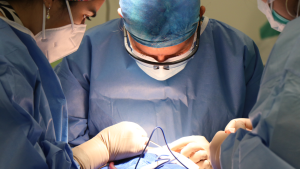
Minimally invasive foot surgery is a surgical approach that uses smaller incisions and specialized instruments to treat certain foot conditions while limiting disruption to surrounding muscles, tendons, and soft tissues. Unlike traditional open surgery, which may require larger incisions to access the affected area, minimally invasive techniques allow surgeons to perform precise corrections through smaller openings.
During MIS foot surgery, surgeons may use specialized instruments and advanced imaging technology to guide the procedure and correct structural problems. These techniques can be used to treat certain conditions, including bunions, hammertoes, and bone spurs. The goal is to relieve pain, improve foot alignment, and restore function while minimizing unnecessary tissue disruption.
Although MIS surgery offers potential advantages, it is not appropriate for every patient or foot condition. The best surgical approach depends on factors such as the severity of the deformity, overall foot health, and individual treatment goals. A thorough evaluation by a podiatrist can help determine whether minimally invasive surgery is the right option.
Benefits of Minimally Invasive Foot Surgery
Minimally invasive foot surgery offers several potential advantages over traditional open surgical procedures. By using smaller incisions and specialized techniques, surgeons can treat certain foot conditions while limiting disruption to surrounding tissues. For appropriately selected patients, this approach may support a more comfortable recovery and improved foot function.
Some potential benefits of minimally invasive foot surgery include:
- Smaller Incisions and Less Scarring: Smaller surgical openings typically result in less visible scarring compared to traditional open surgery.
- Reduced Soft Tissue Disruption: Specialized instruments allow surgeons to treat affected areas while minimizing disruption to surrounding muscles, tendons, and ligaments.
- Less Postoperative Pain and Swelling: Some patients may experience less discomfort and swelling following minimally invasive procedures, depending on the type of surgery performed.
- Potentially Faster Recovery: Certain minimally invasive techniques may allow patients to return to some daily activities sooner, although recovery times vary based on the procedure and individual healing.
- Improved Foot Function: By correcting structural problems such as bunions or hammertoes, minimally invasive procedures may help reduce pain, improve alignment, and restore mobility.
While minimally invasive foot surgery can offer meaningful benefits, results vary depending on the condition being treated and the patient’s overall health. A podiatrist can evaluate your symptoms, discuss available treatment options, and determine whether minimally invasive surgery is appropriate for your needs.
What Conditions Can Be Treated With Minimally Invasive Foot Surgery?

Minimally invasive foot surgery can be used to treat a variety of painful foot conditions and structural deformities. By using smaller incisions and specialized surgical techniques, podiatrists can address certain problems while limiting disruption to surrounding tissues. The appropriate procedure depends on the type and severity of the condition, foot structure, and individual patient needs.
Bunions
- Bunions develop when the big toe shifts out of alignment, creating a noticeable bony bump at the base of the toe. As the deformity progresses, patients may experience pain, swelling, and difficulty wearing shoes. MIS bunion surgery uses smaller incisions and specialized instruments to realign the affected bones and correct the underlying deformity. This approach may help relieve discomfort and improve foot function.
Hammertoes
- Hammertoes occur when one or more toes develop an abnormal bend at the middle joint, often causing pain, irritation, and difficulty wearing shoes. For certain flexible or rigid deformities, MIS foot surgery may be used to correct toe alignment and reduce pressure on affected areas. The surgical technique depends on the severity of the deformity and the condition of the surrounding joints.
Bone Spurs
- Bone spurs are bony growths that can develop around joints or other areas of the foot. While some cause no symptoms, others may create pressure against shoes or surrounding tissues, resulting in pain and inflammation. Minimally invasive techniques may be used to remove certain painful bone spurs through smaller incisions, helping reduce irritation and improve comfort.
Other Foot Deformities
- In addition to bunions, hammertoes, and bone spurs, minimally invasive surgery may be appropriate for certain other structural foot problems. Depending on the diagnosis, these techniques may help correct bone alignment, relieve pressure, or address painful deformities that have not responded to conservative treatment.
Not every condition requires surgery, and not every patient is a candidate for minimally invasive techniques. A thorough evaluation by a Canton podiatrist can help identify the underlying cause of foot pain and determine whether minimally invasive foot surgery is an appropriate treatment option.

MIS bunion surgery, also known as minimally invasive bunion surgery, is a surgical technique used to correct bunion deformities through smaller incisions. Unlike traditional open bunion surgery, which typically requires a larger incision to access and realign the affected bones, MIS surgery uses specialized instruments and imaging guidance to make precise corrections while limiting disruption to surrounding soft tissues.
A bunion develops when the big toe gradually shifts toward the smaller toes, causing the joint at the base of the big toe to become misaligned. Over time, this deformity can lead to pain, swelling, stiffness, and difficulty wearing shoes. Minimally invasive foot surgery addresses the underlying bone alignment rather than simply removing the visible bump.
How Does MIS Bunion Surgery Work?
During MIS bunion surgery, a foot and ankle surgeon makes small incisions near the affected joint. Specialized instruments are used to reposition the bones and correct the deformity. Depending on the procedure, small screws or other fixation devices may be used to maintain proper alignment while the bones heal.
Benefits of MIS Bunion Surgery
For appropriately selected patients, minimally invasive bunion surgery may offer several advantages, including:
-
Smaller incisions and less visible scarring
-
Reduced disruption to surrounding soft tissues
-
Potentially less postoperative pain and swelling
-
Earlier return to certain activities in some cases
-
Improved big toe alignment and foot function
Although MIS bunion surgery may offer recovery advantages, the bones still require time to heal. Patients may need protective footwear, activity restrictions, and follow-up appointments during recovery.
Not every bunion requires surgical correction, and minimally invasive techniques are not suitable for every patient. A Canton podiatrist can evaluate the severity of the deformity, review treatment options, and determine whether MIS bunion surgery is an appropriate solution for long-term pain relief and improved mobility.

What to Expect During MIS Foot Surgery
MIS foot surgery involves smaller incisions and specialized techniques to correct certain foot conditions while limiting disruption to surrounding tissues. The process typically includes an initial evaluation, the surgical procedure, and a personalized recovery plan.
Initial Consultation and Evaluation
Before recommending minimally invasive foot surgery, a podiatrist evaluates your symptoms, medical history, and foot structure. X-rays or other imaging may be used to determine the severity of the condition and whether surgery is appropriate.
The Surgical Procedure
During MIS surgery, the surgeon uses small incisions and specialized instruments to correct the underlying problem. For procedures such as MIS bunion surgery, bones may be repositioned and secured to improve alignment. The specific technique depends on the condition being treated.
After the Procedure
Recovery varies depending on the procedure and individual healing. Patients may need protective footwear, temporary activity restrictions, and follow-up appointments. A Canton podiatrist will provide personalized recovery instructions to support proper healing and improved foot function.
Who Is a Good Candidate for Minimally Invasive Foot Surgery?
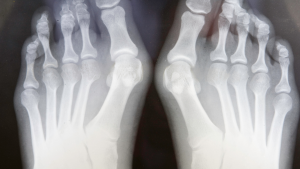
Minimally invasive foot surgery may be an option for patients experiencing persistent foot pain, structural deformities, or difficulty with daily activities despite conservative treatment. Procedures such as MIS bunion surgery may be considered when nonsurgical treatments no longer provide adequate relief.
Several factors help determine whether a patient is a good candidate for MIS foot surgery, including:
-
Severity of the Condition: Certain bunions, hammertoes, and other foot deformities may be suitable for minimally invasive correction.
-
Persistent Pain: Ongoing discomfort that interferes with walking, wearing shoes, or everyday activities.
-
Previous Treatments: Symptoms that have not improved with conservative options such as footwear changes, orthotics, or other nonsurgical care.
-
Overall Foot Health: Bone structure, joint alignment, circulation, and general health can influence surgical recommendations.
Not every patient requires surgery, and minimally invasive surgery is not appropriate for every condition. A Canton podiatrist can perform a thorough evaluation and recommend a personalized treatment plan based on your symptoms, foot structure, and long-term mobility goals.
Schedule a Minimally Invasive Foot Surgery Consultation in Canton, GA

Don’t let persistent foot pain or structural problems limit your daily activities. At Ankle & Foot Centers of America in Canton, GA, our experienced podiatrists provide personalized evaluations to determine whether minimally invasive foot surgery is right for you. Whether you’re dealing with painful bunions, hammertoes, or other foot conditions, our team is here to help you explore your treatment options.
Schedule your appointment today with our Canton podiatry team. Call our office or book online to take the next step toward lasting pain relief and improved foot function.