
Table of Contents
Noticed a Bump on Your Foot?
Discovering a bump on your foot can be concerning, especially if it causes pain, discomfort, or difficulty wearing shoes. While some bumps are harmless, others may be associated with underlying conditions that require medical attention. Whether you notice a bump on top of your foot, a bump on the bottom of your foot, or a bump on the side of your foot, understanding the cause is the first step toward finding appropriate treatment.
Foot bumps can develop for several reasons, including plantar fibromas, ganglion cysts, bone spurs, and other soft tissue or structural conditions. Some may remain small and painless, while others can grow, become tender, or interfere with everyday activities.
At Ankle & Foot Centers of America, our experienced podiatrists evaluate bumps on the feet to determine their underlying causes and recommend personalized treatment options. If you’ve noticed an unusual lump or bump on your foot, a professional evaluation can help you understand what’s causing it and whether treatment is necessary.
Bump on Top of Foot: Common Causes 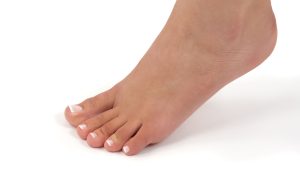
A bump on top of your foot can develop for several reasons, including fluid-filled cysts, bone spurs, and changes in the joints. Depending on the underlying cause, the bump may feel soft or hard and can vary in size. Some bumps are painless, while others cause tenderness, swelling, or discomfort when wearing shoes. Identifying the cause is important for determining the most appropriate treatment.
- Ganglion Cyst on the Foot
- A ganglion cyst on the foot is a benign, fluid-filled lump that typically develops near a joint or tendon. These cysts commonly appear on the top of the foot and may change in size over time. Although some ganglion cysts cause no symptoms, others can http://cystcreate pressure on nearby nerves or tissues, resulting in pain, tingling, or discomfort when wearing shoes.
- Bone Spurs on Top of the Foot
- Bone spurs are bony growths that can develop around joints, often due to arthritis or long-term stress on the bones. A bone spur on top of the foot typically feels hard and may become painful when shoes press against it. Depending on its location, a bone spur can also contribute to joint stiffness or irritation of surrounding tissues.
- Arthritis and Joint Changes
- Arthritis can cause changes in the joints of the foot, sometimes leading to swelling or noticeable bony prominences. These changes may create a bump on top of the foot, particularly around the midfoot joints. Additional symptoms can include stiffness, tenderness, and discomfort during walking or other weight-bearing activities.
Bump on Bottom of Foot: Could It Be a Plantar Fibroma?

A bump on the bottom of your foot can develop for several reasons, including soft tissue growths, cysts, or areas of thickened skin. One possible cause is a plantar fibroma, a benign growth that forms within the plantar fascia, the thick band of connective tissue that runs along the bottom of the foot. These growths commonly develop in the arch and may cause discomfort when standing, walking, or wearing certain shoes.
What Is a Plantar Fibroma?
A plantar fibroma is a noncancerous nodule made of fibrous tissue that develops within the plantar fascia. Unlike fluid-filled cysts, plantar fibromas typically feel firm and remain attached to the surrounding tissue. They may occur in one or both feet and can vary in size.
Although some plantar fibromas remain small and painless, others may gradually enlarge and become uncomfortable as pressure is placed on the affected area.
Common Symptoms of a Plantar Fibroma
The most noticeable symptom of a plantar fibroma is a firm lump along the arch of the foot. Additional symptoms may include:
-
A noticeable bump on the bottom of the foot, particularly in the arch
-
Tenderness or discomfort when pressure is applied to the lump
-
Pain while standing or walking for extended periods
-
Irritation when wearing shoes that press against the affected area
-
Changes in walking patterns due to discomfort
Bump on Heel of Foot: Possible Causes

A bump on the heel of your foot can develop due to changes in bone structure, inflammation, or irritation of the surrounding tissues. Depending on its location, the bump may appear on the back, bottom, or side of the heel. Some heel bumps are painless, while others cause swelling, tenderness, or discomfort when walking or wearing shoes. Identifying the underlying cause is important for determining the appropriate treatment.
- Haglund’s Deformity
- Haglund’s deformity is a bony enlargement that develops at the back of the heel, near where the Achilles tendon attaches to the heel bone. This condition can create a noticeable bump that becomes irritated when shoes rub against it, particularly footwear with rigid heel backs.
- Heel Spurs
- A heel spur is a bony growth that develops on the heel bone, often associated with long-term stress on the surrounding tissues. Heel spurs may form along the bottom or back of the heel and are sometimes associated with conditions such as plantar fasciitis or Achilles tendon problems.
- Heel Bursitis
- Bursitis occurs when a small, fluid-filled sac called a bursa becomes inflamed. Around the heel, bursitis can develop due to repeated pressure, friction, or irritation of nearby structures.
- Other Soft Tissue Conditions
- Not every bump on the heel of the foot is caused by a bone spur or inflammation. Other possible causes include cysts, calluses, and areas of thickened soft tissue. For example, repeated friction or pressure may lead to callus formation, creating a raised area of hardened skin.
When Should You See a Podiatrist for a Bump on Your Foot?

While some foot bumps are harmless and cause little discomfort, others may indicate an underlying condition that requires medical attention. If you notice a bump on your foot that persists, changes in appearance, or begins to interfere with daily activities, scheduling an appointment with a podiatrist can help identify the cause and determine whether treatment is necessary.
Signs that a foot bump should be evaluated include:
-
Persistent or Increasing Pain: A bump that causes ongoing discomfort, especially when walking, standing, or wearing shoes.
-
Changes in Size or Appearance: A lump that grows, changes shape, or becomes more noticeable over time.
-
Redness, Swelling, or Warmth: Inflammation around the bump that may indicate irritation, injury, or infection.
-
Numbness or Tingling: A growth that places pressure on nearby nerves may cause changes in sensation.
-
Difficulty Walking or Wearing Shoes: A bump that interferes with normal movement or makes footwear uncomfortable.
-
A Hard or Unusual Lump: A firm, fixed, or unexplained growth that should be examined to determine its underlying cause.
Certain symptoms, including rapidly increasing swelling, spreading redness, fever, or severe pain, may require prompt medical attention.
Why Early Evaluation Matters
A bump on foot can develop due to several conditions, including a plantar fibroma, ganglion cyst, bone spur, or structural changes in the foot. Because these conditions often share similar symptoms, a professional evaluation by a podiatrist is important to identify the underlying cause and determine the most appropriate treatment.

Schedule an Appointment for a Bump on Your Foot
A bump on your foot can develop for many reasons, from harmless soft tissue growths to conditions involving the bones, joints, or tendons. Whether you have a bump on top of your foot, the bottom of your foot, or near your heel, identifying the underlying cause is important for determining the appropriate treatment. Persistent pain, changes in size, or difficulty walking should not be ignored.
At Ankle & Foot Centers of America, our experienced podiatrists provide comprehensive evaluations to diagnose foot bumps, including plantar fibromas, ganglion cysts, bone spurs, and other foot conditions. Our team develops personalized treatment plans based on your symptoms, foot health, and individual needs.
Don’t let an unexplained bump on your foot affect your comfort or mobility. Schedule an appointment with Ankle & Foot Centers of America today. Call our office or schedule your appointment online to receive professional care tailored to your needs.