Sharp heel pain with your first steps in the morning? You may be experiencing plantar fasciitis, a common foot condition that can make walking, standing, and everyday activities uncomfortable. While the pain may ease as you move, it often returns after prolonged periods on your feet.
At Ankle & Foot Centers of America, our Carrollton foot doctor provides plantar fasciitis treatment tailored to each patient’s symptoms and needs. From supportive footwear and custom orthotics to targeted therapies, our team focuses on addressing the underlying causes of heel pain and improving foot function.
Understanding plantar fasciitis symptoms, potential causes, and available treatment options can help you take the next step toward lasting relief and better mobility.
Table of Contents
What Is Plantar Fasciitis?
Plantar fasciitis is a common foot condition that causes pain and discomfort along the bottom of the heel. It occurs when the plantar fascia, a thick band of tissue connecting the heel bone to the toes, becomes irritated or develops small areas of damage from repeated stress. This tissue plays an important role in supporting the arch of the foot and absorbing shock during walking, running, and other daily activities.
Over time, repeated strain on the plantar fascia can lead to persistent heel pain, especially after periods of rest. Many people experience discomfort when taking their first steps in the morning or standing after sitting for an extended period. Although the pain may improve with movement, it can return after prolonged activity.
Several factors can contribute to plantar fasciitis, including foot structure, repetitive stress, tight calf muscles, and inadequate footwear support. Because heel pain can have multiple causes, a Carrollton foot doctor can evaluate your symptoms, identify contributing factors, and recommend an appropriate plantar fasciitis treatment plan to help improve comfort and mobility.
Common Plantar Fasciitis Symptoms
Plantar fasciitis symptoms often develop gradually and may become more noticeable as the condition progresses. While heel pain is the most common complaint, the location and severity of discomfort can vary from person to person. Recognizing these symptoms early can help patients understand when it may be time to seek professional care.
Common plantar fasciitis symptoms include:
-
Sharp Heel Pain: A stabbing or aching sensation along the bottom of the heel, particularly when taking the first steps in the morning.
-
Pain After Resting: Heel discomfort that develops when standing after sitting or resting for an extended period.
-
Tenderness Along the Arch: Discomfort that extends from the heel into the arch of the foot.
-
Pain After Physical Activity: Increased heel pain following prolonged walking, running, or standing.
-
Stiffness in the Foot: Tightness or discomfort that makes walking difficult, especially after periods of inactivity.
Although plantar fasciitis is a common cause of heel pain, similar symptoms can develop from other foot conditions, including stress fractures, nerve irritation, and heel pad problems. Therefore, an accurate diagnosis is essential for determining the appropriate treatment.
What Causes Plantar Fasciitis?

Plantar fasciitis develops when repeated stress places excessive strain on the plantar fascia, the thick band of tissue that supports the arch of the foot. Over time, this strain can lead to irritation and small areas of tissue damage, resulting in heel pain and discomfort. While plantar fasciitis can affect anyone, certain factors may increase the risk of developing this condition.
Common causes and contributing factors include:
-
Prolonged Standing or Walking: Spending long hours on your feet, especially on hard surfaces, can increase stress on the plantar fascia.
-
Flat Feet or High Arches: Differences in foot structure can affect how weight is distributed across the foot, placing additional strain on the plantar fascia.
-
Tight Calf Muscles: Limited flexibility in the calf muscles and Achilles tendon can increase tension along the bottom of the foot.
-
Unsupportive Footwear: Shoes that lack adequate arch support, cushioning, or heel stability may contribute to discomfort.
-
Repetitive Physical Activity: Running, jumping, and other high-impact activities can place repeated stress on the heel and surrounding tissues.
-
Sudden Changes in Activity: Increasing exercise intensity or spending more time on your feet without adequate adjustment can contribute to plantar fascia irritation.
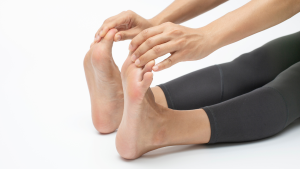
Tight muscles and limited flexibility can place additional strain on the plantar fascia, contributing to ongoing heel pain and discomfort. Plantar fasciitis stretches are often included in conservative treatment plans to help improve flexibility, reduce tension, and support normal foot movement. When performed appropriately, stretching may help relieve discomfort and improve mobility over time.
A podiatrist may recommend stretches that target specific areas of the foot and lower leg, including:
-
Calf Stretches: Help improve flexibility in the calf muscles, which may reduce tension on the heel and plantar fascia.
-
Plantar Fascia Stretches: Focus on improving flexibility along the bottom of the foot and reducing tightness in the affected tissue.
-
Achilles Tendon Stretches: Help address limited ankle flexibility that may contribute to increased stress on the plantar fascia.
Although stretching can be beneficial, it may not be enough to address persistent heel pain on its own. The effectiveness of plantar fasciitis stretches depends on the severity of the condition, individual foot mechanics, and other contributing factors.
What Are the Best Shoes for Plantar Fasciitis?
Wearing supportive footwear can help reduce heel pain and improve comfort for people with plantar fasciitis. The best shoes for plantar fasciitis provide proper arch support, cushioning, and stability to help reduce strain on the plantar fascia during walking and standing. However, the right shoes depend on your foot structure, activity level, and individual symptoms.
When choosing shoes for plantar fasciitis, important features include:
-
Arch Support: Helps distribute pressure evenly across the foot and reduce excessive strain on the plantar fascia.
-
Heel Cushioning: Absorbs impact and helps minimize pressure on the heel during everyday activities.
-
Firm Heel Support: Provides stability and helps control excessive foot movement while walking.
-
Supportive Midsole: Offers a balance of cushioning and stability to support natural foot movement.
-
Proper Fit: Ensures adequate room for the toes while keeping the heel secure and comfortable.
Although supportive footwear may help relieve discomfort, shoes alone may not address every cause of heel pain. A Carrollton foot doctor can evaluate your foot mechanics and recommend appropriate footwear or custom orthotics as part of a personalized plantar fasciitis treatment plan.
Are Plantar Fasciitis Insoles Effective for Heel Pain?
Plantar fasciitis insoles can play an important role in managing heel pain by providing additional arch support, cushioning, and stability. These inserts help distribute pressure more evenly across the foot, potentially reducing strain on the plantar fascia during walking and standing. For some patients, insoles can be an effective part of a comprehensive plantar fasciitis treatment plan.
However, not all insoles provide the same level of support. Choosing the right option depends on foot structure, activity level, and the underlying cause of heel pain.
What Are the Best Insoles for Plantar Fasciitis?
The best insoles for plantar fasciitis are those that provide appropriate support based on an individual’s foot mechanics and symptoms. While over-the-counter insoles may offer relief for some patients, others may benefit from more personalized support.
Two common options include:
-
Over-the-Counter Insoles: These prefabricated inserts provide additional cushioning and arch support. They may help relieve mild heel discomfort and improve comfort in everyday footwear.
-
Custom Orthotics: These prescription devices are designed to address an individual’s foot structure and biomechanics. They may help redistribute pressure, improve foot support, and reduce excessive strain on the plantar fascia.
When Are Custom Orthotics Recommended?
Custom orthotics may be recommended when heel pain persists despite changes in footwear or when abnormal foot mechanics contribute to ongoing plantar fascia strain. Patients with flat feet, high arches, or other structural concerns may benefit from a more individualized approach.
Professional Plantar Fasciitis Treatment in Carrollton, GA

Persistent heel pain can make walking, standing, and completing everyday activities uncomfortable. When plantar fasciitis symptoms continue or worsen, seeking professional care can help identify the underlying cause and determine the most appropriate treatment. At Ankle & Foot Centers of America, Dr. Craig Sun provides personalized plantar fasciitis treatment in Carrollton, GA, with a focus on relieving discomfort, improving foot function, and helping patients return to their normal activities.
Treatment begins with a comprehensive evaluation of the foot, including an assessment of symptoms, foot structure, and walking mechanics. Diagnostic imaging may also be recommended when necessary to rule out other causes of heel pain.
Depending on the patient’s condition, plantar fasciitis treatment options may include:
-
Custom Orthotics: Prescription shoe inserts designed to provide individualized arch support, improve pressure distribution, and reduce strain on the plantar fascia.
-
Supportive Footwear: Recommendations for shoes that offer appropriate cushioning, stability, and arch support.
-
Targeted Stretching and Physical Therapy: Guided exercises and therapy designed to improve flexibility, address muscle tightness, and support foot function.
-
Activity Modifications: Adjustments to activities that place excessive stress on the heel, allowing irritated tissues time to recover.
-
Additional Treatment Options: For persistent symptoms, other treatments, such as night splints, injections, or advanced therapies, may be considered based on the patient’s needs and clinical findings.
Because every patient’s symptoms and foot structure are different, there is no single treatment that works for everyone. Dr. Craig Sun develops individualized treatment plans that address contributing factors rather than focusing solely on temporary symptom relief.
With professional evaluation and appropriate care, many patients can experience meaningful improvement without surgery. If heel pain is limiting your mobility, scheduling an appointment with a Carrollton foot doctor can be an important step toward finding relief.
When Should You See a Foot Doctor for Plantar Fasciitis Symptoms?
Occasional heel discomfort may improve with rest, but persistent or worsening pain could indicate an underlying foot condition that requires professional attention. Ignoring plantar fasciitis symptoms may allow discomfort to continue, making walking, exercising, and other daily activities increasingly difficult.
You should consider scheduling an appointment with a foot doctor if you experience:
-
Persistent Heel Pain: Discomfort that lasts for several weeks or continues to return despite changes in footwear or activity.
-
Severe Morning Pain: Sharp heel pain when taking your first steps after waking up or sitting for an extended period.
-
Difficulty Walking or Standing: Heel pain that interferes with work, exercise, or everyday activities.
-
Worsening Symptoms: Pain that becomes more frequent or intense over time.
-
Limited Improvement: Continued discomfort despite wearing supportive shoes or using plantar fasciitis insoles.
Although plantar fasciitis is a common cause of heel pain, other conditions, including stress fractures, nerve irritation, and Achilles tendon disorders, can produce similar symptoms. Therefore, an accurate diagnosis is essential for determining the appropriate treatment.

Schedule Plantar Fasciitis Treatment With a Carrollton Foot Doctor
Don’t let persistent heel pain keep you from enjoying your daily activities. Whether you’re experiencing sharp pain with your first steps in the morning or discomfort after spending hours on your feet, seeking professional care can help you find relief and improve your mobility.
At Ankle & Foot Centers of America, Dr. Craig Sun provides comprehensive plantar fasciitis treatment in Carrollton, GA, tailored to each patient’s symptoms, foot structure, and individual needs. From supportive footwear recommendations and custom orthotics to advanced treatment options, Dr. Sun focuses on addressing the underlying causes of heel pain and helping patients return to their normal routines.
Take the first step toward healthier, more comfortable feet. Contact Ankle & Foot Centers of America in Carrollton today or schedule your appointment online to learn more about your plantar fasciitis treatment options.