
Nail fungus is a common condition that affects many people at some point in their lives. It often begins with a small change in the nail, such as slight discoloration or thickening. However, over time, it can become more noticeable and harder to manage. While it may seem like a minor concern at first, nail fungus rarely goes away without proper care.
In addition to affecting appearance, nail fungus can also impact comfort. Nails may become thick, brittle, or difficult to trim. As a result, everyday activities like walking or wearing shoes can feel less comfortable.
Because of this, seeking professional toenail fungus treatment in Canton, Ga is an important step. Early care can help prevent the infection from spreading and improve the chances of successful treatment. Over-the-counter products may offer limited results, but they often do not fully address the underlying issue. Patients in Canton can turn to Dr. Evan Lewis for experienced, patient-focused care. With a thorough evaluation and a personalized approach, Dr. Lewis designs treatment plans to restore nail health and improve overall comfort.
Table of Contents
What Is Nail Fungus?
Nail fungus, also known as toenail fungus, is a common infection that affects the toenails. It develops when fungi enter the nail through small cracks in the nail or surrounding skin. Once inside, the infection can grow beneath the surface, making it difficult to treat without proper care.
As the infection progresses, it can change the nail’s color, texture, and thickness. Because the fungus lives under the nail, it often avoids external treatments, allowing it to continue spreading if left untreated.
Several factors can increase the risk of developing toenail fungus. Warm, moist environments such as sweaty shoes or public locker rooms create ideal conditions for fungal growth. In addition, minor injuries to the nail can make it easier for fungus to enter. A weakened immune system may also reduce the body’s ability to fight off infection.
It is important to understand that nail fungus typically does not go away on its own. In most cases, the condition will persist or gradually worsen without treatment. For this reason, early evaluation and proper nail fungus treatment can make a meaningful difference.
Signs and Symptoms of Toenail Fungus
Toenail fungus can appear in several ways, and symptoms often develop gradually. First, the changes may seem subtle. However, they tend to become more noticeable over time.
 Patients often notice thickened nails as one of the most common signs. As the infection progresses, the nail may also change color, turning yellow, white, or brown. In addition, the edges of the nail can become brittle or start to crumble, making them more difficult to trim.
In some cases, the nail shape may become distorted. The nail may lift slightly from the nail bed or grow unevenly. As a result, this can lead to discomfort, especially when wearing shoes. Some patients also notice an odor coming from the affected nail.
Recognizing these symptoms early can make treatment more effective and help prevent further changes.
Why Professional Nail Fungus Treatment Is Important
Nail fungus can be stubborn, which is why professional care often plays a key role in treatment. While over-the-counter options are widely available, they typically have limited success. In many cases, these treatments do not penetrate deeply enough to fully reach the infection beneath the nail.
Without proper care, the infection can also spread. What begins as a small issue on one nail may gradually affect other nails or even the surrounding skin. As a result, the conditions can become more difficult to manage overtime.
Delaying treatment can make the process longer and more complex. The longer the fungus is present, the more it can affect the structure of the nail. This often means that more advanced nail fungus treatment or toenail fungus treatment may be required later.
A podiatrist provides a thorough evaluation and creates a treatment plan based on the severity of the infection. This personalized approach helps improve outcomes and supports healthier nail growth.

Toenail Fungus Treatment Options in Canton
Podiatrists treat toenail fungus in several ways, choosing the right approach based on how advanced the infection is. In many cases, they combine treatments to achieve the best results.
Topical Treatments
For mild to moderate infections, podiatrists often prescribe topical medications that patients apply directly to the nail and surrounding skin. Over time, they work to target the fungus as the nail grows out. Consistency is important, as results can take time.
Oral Medications
For more advanced cases, podiatrists often prescribe oral medications that work from within the body to eliminate the infection at its source. Because these medications circulate through the bloodstream, they can reach areas that topical treatments may not fully address.
Advanced Treatment Options

In some cases, podiatrists use advanced therapies such as laser treatment to target fungal organisms more directly. These options can help treat stubborn infections or cases that have not responded to other treatments.
Routine Nail Care and Debridement
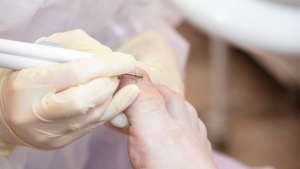 Routine care is another important part of treatment. This may include trimming and thinning thickened nails, known as debridement. By reducing nail thickness, treatments can penetrate more effectively. In addition, this helps improve comfort and supports better results.
Choosing the best nail fungus treatment involves a personalized approach. With the right plan, many patients begin to see gradual improvement over time.
What to Expect During Your Visit
Your visit begins with a thorough evaluation of the affected nail or nails. During this step, the podiatrist carefully examines the nails to assess changes in color, thickness, and overall structure, helping determine the severity of the infection.
Next, the podiatrist reviews your symptoms and medical history to better understand how long the issue has been present and what treatments you have already tried. Based on this information, they create a personalized treatment plan tailored to your specific needs rather than using a one-size-fits-all approach.
As treatment progresses, follow-up visits allow for adjustments as needed. This ongoing monitoring helps ensure that the plan remains effective and that improvement continues.
How Long Does Toenail Fungus Treatment Take?
Treating toenail fungus takes time because nails grow slowly. Even after treatment clears the infection, the nail must grow out as healthy nail replaces the damaged portion.
In most cases, improvement happens gradually over several months. However, the exact timeline can vary depending on the severity of the infection.
Consistency is especially important during this process. Following the recommended treatment plan and attending follow-up visits helps improve results and reduce the chance of recurrence.
Tips to Help Prevent Toenail Fungus
Preventing toenail fungus often comes down to simple daily habits. Taking a proactive approach can help reduce your risk and support overall foot health.
Keeping your feet clean and dry is essential. After washing, be sure to dry thoroughly, especially between the toes.
Wearing breathable footwear can also help. Shoes that allow airflow reduce moisture buildup and create a less favorable environment for fungus.
It is also important to avoid walking barefoot in public areas such as locker rooms or pools. These spaces can expose your feet to fungal organisms.
Proper nail trimming is another key step. Nails should be trimmed straight across and kept at a manageable length.
Finally, replacing old shoes when needed can help reduce moisture and bacteria buildup, which may lower your risk of infection.
When to See a Podiatrist
Toenail fungus does not always improve without treatment. In many cases, professional care is needed to fully address the infection.
If symptoms persist or worsen, it is a good time to schedule an evaluation. Increasing discoloration, thickening, or spreading may indicate that the infection is progressing.
You should also seek care if multiple nails are affected. This can make treatment more complex and may require a more comprehensive approach.
In addition, pain or difficulty walking should not be ignored. Thickened nails can create pressure and discomfort during daily activities.
If you have diabetes or circulation concerns, early evaluation is especially important. These conditions can affect healing and increase the risk of complications.
Why Patients in Canton Choose Dr. Evan Lewis
Patients in Canton choose Dr. Lewis for his experience in diagnosing and treating nail conditions. He carefully evaluates each case to identify the underlying cause before starting treatment.
In addition, he prioritizes patient comfort by keeping visits clear, informative, and easy to follow. He encourages patients to ask questions and stay involved in their care.
He also incorporates modern treatment options when appropriate, using advanced therapies to help improve results and support healthier nail growth.
Most importantly, he personalizes every treatment plan based on each patient’s condition, lifestyle, and goals to support effective, lasting outcomes.
Take the First Step Toward Healthier Nails
Toenail fungus can be frustrating, but with the right care, it is treatable. Addressing the condition early can help prevent it from worsening and improve the chances of seeing steady, healthy nail growth over time.
If you have noticed changes in your nails, scheduling a nail fungus evaluation is an important first step. A timely diagnosis allows for a more targeted treatment plan and can make the process more manageable.
To get started, call 470-274-7763 or schedule your nail fungus treatment appointment online at your convenience.