
Pain in the ball of your foot can make everyday activities like walking, standing, and exercising uncomfortable. One common cause of this discomfort is metatarsalgia, a condition that causes pain and inflammation in the forefoot, particularly beneath the metatarsal bones. Without proper care, metatarsalgia pain can become persistent and interfere with your daily routine.
At Ankle & Foot Centers of America, our experienced podiatrists provide personalized metatarsalgia treatment in Griffin, GA, to help patients find relief from ball of foot pain. By identifying the underlying cause of your symptoms, we can recommend treatment options designed to reduce discomfort, improve foot function, and support long-term foot health.
If you’re experiencing ongoing pain in the ball of your foot, seeking professional care can help you take the first step toward lasting relief.
Table of Contents
What Is Metatarsalgia?
Metatarsalgia is a condition that causes pain and inflammation in the ball of the foot, typically in the area just behind the toes. This discomfort develops when excessive pressure or stress affects the metatarsal heads, the ends of the long bones that connect the midfoot to the toes. Because these bones help support body weight during walking, running, and standing, increased pressure can lead to irritation and persistent discomfort.
Metatarsalgia ball of foot pain can range from a mild ache to sharp or burning discomfort, especially during weight-bearing activities. Some patients describe the sensation as walking on a small pebble or having something stuck beneath their foot.
Although metatarsalgia is common among active individuals, it can affect anyone. Factors such as foot structure, improper footwear, and repetitive stress may contribute to the condition. Understanding the underlying cause is essential for determining the most effective metatarsalgia treatment and preventing recurring discomfort.
Common Metatarsalgia Symptoms
Metatarsalgia symptoms often develop gradually as increased pressure and stress affect the ball of the foot. The discomfort may start as a mild ache but can become more noticeable during walking, standing, or other weight-bearing activities. Symptoms vary depending on the underlying cause and severity of the condition.
Common signs and symptoms of metatarsalgia include:
-
Sharp or Aching Pain: Discomfort in the ball of the foot, particularly beneath the second, third, or fourth toes.
-
Burning Sensation: A feeling of burning or irritation in the forefoot that may worsen with activity.
-
Pain When Walking or Standing: Increased metatarsalgia pain during prolonged periods of standing, walking, or exercising.
-
Pebble-Like Sensation: Feeling as though a small stone or object is stuck beneath the ball of the foot.
-
Tenderness: Sensitivity or discomfort when pressure is applied to the affected area.
-
Pain While Wearing Shoes: Increased discomfort when wearing tight footwear, high heels, or shoes with inadequate cushioning.
Although these symptoms are commonly associated with metatarsalgia, other foot conditions can cause similar discomfort. If you experience persistent ball of foot pain, a podiatrist can evaluate your symptoms, identify the underlying cause, and recommend appropriate metatarsalgia treatment.
What Causes Metatarsalgia?

Metatarsalgia causes often involve excessive pressure or repetitive stress on the ball of the foot. When weight is not distributed evenly across the metatarsal bones, certain areas may experience increased strain, leading to pain and inflammation. Several factors can contribute to the development of metatarsalgia, including foot structure, footwear choices, and daily activities.
Common causes and risk factors include:
-
High-Impact Activities: Running, jumping, and other repetitive movements can place additional stress on the ball of the foot, increasing the risk of metatarsalgia pain.
-
Improper Footwear: High heels, narrow shoes, and footwear with inadequate cushioning can increase pressure on the forefoot.
-
Foot Structure and Deformities: High arches, bunions, hammertoes, and differences in metatarsal bone length can affect weight distribution and contribute to discomfort.
-
Excess Body Weight: Additional body weight can increase pressure on the metatarsal bones during walking and standing.
-
Age-Related Changes: Over time, the protective fat pads beneath the ball of the foot may become thinner, reducing natural cushioning.
-
Underlying Foot Conditions: Stress fractures, arthritis, and nerve-related conditions such as Morton’s neuroma can cause similar symptoms or contribute to forefoot discomfort.
How Is Metatarsalgia Diagnosed?
Diagnosing metatarsalgia begins with a thorough evaluation to identify the underlying cause of pain in the ball of the foot. Because several foot conditions can produce similar symptoms, an accurate diagnosis is essential for determining the most effective metatarsalgia treatment.
During your appointment, a podiatrist may use several methods to evaluate your condition, including:
-
Medical History Review: Discussing your metatarsalgia symptoms, activity level, footwear, and when the pain first developed.
-
Physical Examination: Checking the ball of the foot for tenderness, swelling, and areas of increased pressure.
-
Foot Structure Evaluation: Examining your foot alignment, toe positioning, and walking patterns to identify factors contributing to discomfort.
-
Diagnostic Imaging: Using X-rays or other imaging tests when necessary to rule out stress fractures, arthritis, or other underlying conditions.
Metatarsalgia Treatment Options in Griffin, GA
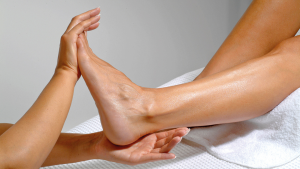
Effective metatarsalgia treatment focuses on relieving pain, reducing pressure on the ball of the foot, and addressing the underlying cause of discomfort. At Ankle & Foot Centers of America in Griffin, GA, our podiatrists develop personalized treatment plans based on each patient’s symptoms, foot structure, and activity level. Many patients experience improvement with nonsurgical treatment options.
Nonsurgical Metatarsalgia Treatment
Depending on the severity of your condition, your podiatrist may recommend one or more of the following treatments:
-
Supportive Footwear: Shoes with adequate cushioning, a wide toe box, and proper arch support can help reduce pressure on the forefoot.
-
Custom Orthotics: Prescription shoe inserts help redistribute weight across the foot, reducing excessive stress on the metatarsal bones.
-
Metatarsal Pads: Specialized padding placed in the appropriate position can help relieve pressure on painful areas of the ball of the foot.
-
Activity Modifications: Reducing high-impact activities and adjusting daily routines may help minimize irritation while the foot heals.
-
Physical Therapy: Targeted stretching and strengthening exercises, when appropriate, can improve foot mechanics and reduce strain.
-
Anti-Inflammatory Treatment: Your podiatrist may recommend medication or other treatments to help manage pain and inflammation when clinically appropriate.
When Is Metatarsalgia Surgery Necessary?
While most patients find relief through nonsurgical treatment, metatarsalgia surgery may be considered when persistent ball of foot pain does not improve with conservative care. Surgery is typically recommended only when an underlying structural problem contributes to excessive pressure on the metatarsal bones.
Depending on the cause of your metatarsalgia pain, surgical procedures may involve correcting foot deformities, repositioning metatarsal bones, or addressing other structural abnormalities that affect weight distribution.
Before recommending surgery, a podiatrist will carefully evaluate your symptoms, foot structure, and response to previous treatments. Recovery time varies depending on the procedure and individual healing.

Why You Shouldn’t Ignore Persistent Metatarsalgia Pain
Persistent metatarsalgia pain can make everyday activities like walking, standing, and exercising increasingly uncomfortable. Although symptoms may initially seem mild, ongoing pressure on the ball of the foot can worsen discomfort and affect your ability to stay active.
When left untreated, metatarsalgia may contribute to changes in your walking pattern as you shift weight away from the painful area. Over time, these adjustments can place additional stress on other parts of the foot and lower extremities.
Additionally, metatarsalgia symptoms can resemble those of other conditions, including stress fractures, arthritis, and Morton’s neuroma. Ignoring persistent ball of foot pain may delay the diagnosis and treatment of an underlying problem.
Why Choose Ankle & Foot Centers of America for Metatarsalgia Treatment in Griffin?
At Ankle & Foot Centers of America in Griffin, GA, our experienced podiatrists provide comprehensive care for patients experiencing metatarsalgia pain and other foot conditions. We understand how discomfort in the ball of the foot can affect your daily activities, which is why we focus on identifying the underlying cause and developing personalized treatment plans.
Our approach to metatarsalgia treatment includes thorough evaluations, advanced diagnostic techniques when needed, and a range of nonsurgical and surgical treatment options. Whether your symptoms are related to repetitive stress, improper footwear, or structural foot problems, our goal is to reduce pain, improve mobility, and support long-term foot health.
With convenient access to specialized podiatric care in Griffin, GA, our team is committed to helping patients find relief from persistent ball of foot pain and return to their daily activities with greater comfort and confidence.
Schedule Metatarsalgia Treatment in Griffin, GA
Don’t let persistent ball of foot pain interfere with your daily activities. At Ankle & Foot Centers of America in Griffin, GA, our experienced podiatrists provide personalized metatarsalgia treatment to help relieve discomfort, improve mobility, and address the underlying cause of your symptoms.
Whether you’re experiencing mild discomfort or ongoing metatarsalgia pain, our team is here to help you find the right treatment options for your needs.
Schedule your appointment today with our Griffin podiatrist to take the first step toward healthier, more comfortable feet. Call our office or book online to get started.