Flat feet may not cause problems for everyone, but when they lead to aching feet, tired legs, or discomfort while walking and standing, the right support can make a difference. Because every foot is different, finding the right solution starts with understanding how your feet are structured and how they function during everyday activities.
At Ankle & Foot Centers of America, our Acworth podiatrist provides orthotics for flat feet based on each patient’s individual needs. Depending on your symptoms and foot structure, treatment may include supportive insoles or custom orthotics designed specifically for your feet. A professional evaluation can help determine what type of support may improve comfort, function, and your ability to stay active.
Table of Contents
What Are Flat Feet?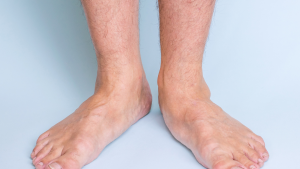
Flat feet are a common foot structure in which the arches are very low or appear to flatten when standing. Normally, the arch helps support the foot and distribute pressure as you walk. With flat feet, more of the bottom of the foot may come into contact with the ground.
Some people have flat feet their entire lives and never experience discomfort. Others may develop symptoms over time, especially after long periods of standing, walking, exercising, or wearing certain types of shoes. Flat feet can also affect how the feet and ankles move, which may contribute to discomfort or fatigue.
There are different types and degrees of flat feet, which is why the same type of support may not work for everyone. When flat feet are causing symptoms, a podiatrist can evaluate the structure and function of the feet to determine whether supportive shoes, flat feet orthotics, or another treatment option may be appropriate.
Can Flat Feet Cause Foot and Ankle Pain?
Flat feet do not always cause pain. Many people have low or fallen arches without experiencing any problems. However, when the feet do not have enough support, the way you stand and walk may place additional stress on certain areas of the feet and ankles.
People with symptomatic flat feet may notice aching or tired feet after spending long periods standing or walking. Discomfort may also develop around the arches, heels, or ankles. Some people notice that their shoes wear unevenly or that activities they once enjoyed become uncomfortable.
Because foot and ankle pain can have many different causes, it is important to determine whether flat feet are actually contributing to the problem. A podiatrist can evaluate how your feet are structured and how they move to determine whether additional support, such as insoles for flat feet or orthotics, may help.
How Do Orthotics for Flat Feet Work?
Orthotics for flat feet are designed to provide additional support where the feet need it most. They fit inside your shoes and can help support the arch, improve how pressure is distributed across the foot, and promote better foot function while standing and walking.
Rather than simply trying to “create” an arch, orthotics are used to support the way your individual feet move. The amount and type of support needed can vary depending on your foot structure, symptoms, activity level, and the shoes you wear.
For some patients, a supportive over-the-counter insert may be enough. Others may benefit from custom orthotics for flat feet that are made specifically for their foot structure and needs. A podiatrist can evaluate your feet and recommend the type of support that is most appropriate for you.
Insoles for Flat Feet vs. Custom Orthotics

When looking for extra support, you may come across both insoles for flat feet and custom orthotics. While both are worn inside your shoes, they are not exactly the same.
Over-the-counter insoles are pre-made and available in standard sizes and support levels. They may provide additional cushioning and arch support for some people, especially when symptoms are mild. However, because they are designed to fit a wide range of feet, they are not made for your specific foot structure.
Custom orthotics for flat feet are created based on an evaluation of your individual feet. A podiatrist considers factors such as your foot structure, alignment, symptoms, and the way your feet function when determining the type of support you may need.
The right choice depends on the individual. Some people may find that a quality insole provides the support they need, while others may benefit from a more personalized approach with custom orthotics.
What Are the Best Orthotics for Flat Feet?
The best orthotics for flat feet are those that provide the right level of support for your individual foot structure, symptoms, and daily activities. There is no single type of orthotic that works best for everyone with flat feet.
A podiatrist can examine your arches, foot and ankle alignment, and the way your feet function while standing and walking. This evaluation can help determine where additional support may be beneficial and whether an over-the-counter device or custom orthotic is appropriate.
For some people, a quality pre-made orthotic may provide enough support. Others may benefit from custom orthotics for flat feet that are designed around their individual needs. The goal is to provide appropriate support while helping improve comfort and everyday foot function.
When Are Custom Orthotics for Flat Feet Recommended?
Custom orthotics for flat feet may be considered when flat feet are contributing to ongoing discomfort or making everyday activities more difficult. They may also be an option when supportive footwear or over-the-counter inserts have not provided enough relief.
Before recommending custom orthotics, a podiatrist evaluates the feet and ankles to better understand what may be contributing to the symptoms. This may include looking at foot structure, alignment, range of motion, and how the feet function while walking.
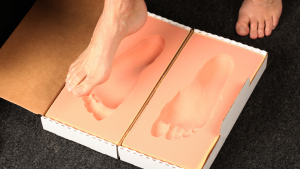
If custom orthotics are appropriate, they are made specifically for the patient rather than selected from a standard size. Measurements, impressions, or digital scanning may be used to capture the shape of the feet and create orthotics with support tailored to the individual.
Custom orthotics are not necessary for everyone with flat feet. A professional evaluation can help determine whether they are appropriate or whether another treatment approach may better address the patient’s symptoms.
When Should You See a Podiatrist for Flat Feet?
Having flat feet does not automatically mean you need treatment. If your feet are comfortable and are not interfering with your normal activities, treatment may not be necessary.
However, it may be time to see a podiatrist if you experience persistent foot or ankle discomfort, tired or aching feet, difficulty standing or walking for extended periods, or symptoms that interfere with exercise and other activities. Changes in the way you walk or recurring foot and ankle problems may also be reasons to have your feet evaluated.
A podiatrist can determine whether your flat feet are contributing to your symptoms and discuss treatment options based on your individual needs. Rather than relying on trial and error with different shoes or inserts, an evaluation can help identify the type of support that may be most appropriate.

Find Orthotics for Flat Feet in Acworth, GA
If flat feet are making it uncomfortable to stand, walk, exercise, or stay active, finding the right support starts with understanding your feet. At Ankle & Foot Centers of America, our Acworth podiatrist evaluates each patient’s foot structure, symptoms, and individual needs before recommending treatment.
Depending on your evaluation, treatment may include supportive footwear, insoles for flat feet, or custom orthotics for flat feet designed to provide more personalized support. Our goal is to help address the source of your discomfort and find an option that supports better foot function and everyday comfort.
If you are looking for orthotics for flat feet in Acworth, GA, schedule an appointment with Ankle & Foot Centers of America to have your feet evaluated and learn which treatment options may be right for you.