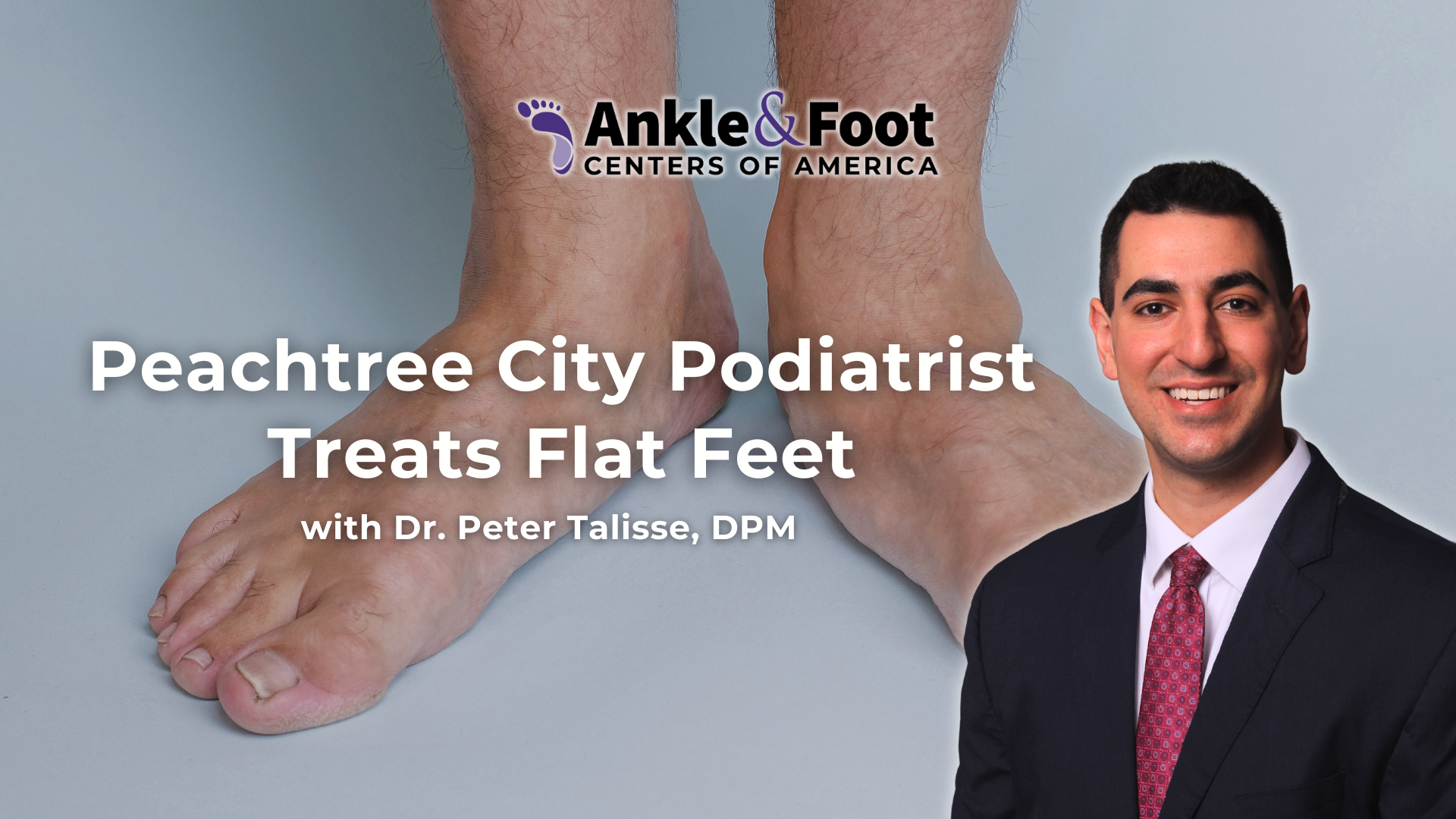
Flat feet, also known as fallen arches, develop when the arch of the foot is lower than normal or completely flat. This condition is more common than many people realize and can affect both children and adults. While some individuals may not notice any immediate issues, others begin to experience flat feet symptoms such as foot fatigue, discomfort along the arch, or pain that worsens with activity.
Over time, flat feet can begin to affect more than just the feet. Changes in foot structure may influence balance, walking patterns, and overall mobility. As a result, everyday activities like standing for long periods, exercising, or even walking short distances can become uncomfortable. In some cases, the added strain may extend to the ankles, knees, and lower back.
For those seeking flat feet treatment in Peachtree City, Dr. Peter Talisse provides experienced care for patients dealing with flat feet and related concerns. Each evaluation focuses on identifying the underlying cause and how it affects daily life. The podiatrist then develops a personalized plan to relieve discomfort, improve function, and address how to fix flat feet while supporting long-term foot health.
Table of Contents
What Are Flat Feet?
 Flat feet, or fallen arches, describe a structural change where the arch of the foot does not maintain its usual height while standing or walking. Instead of forming a visible curve along the inside of the foot, the arch lowers, allowing more of the foot to come into contact with the ground.
The arch plays an important role in how the foot functions. It helps provide stability while standing and flexibility during movement. This balance allows the foot to absorb impact and distribute weight efficiently. When the arch is not working as it should, the foot may roll inward more than normal, which can place additional stress on surrounding muscles and joints.
Some people are born with flat feet, while others develop the condition gradually. In many cases, changes occur over time as tendons and ligaments weaken or become strained. Understanding this process can help guide appropriate treatment and support.
Common Flat Feet Symptoms
 Flat feet symptoms can develop gradually, often becoming more noticeable with increased activity. While some individuals remain symptom-free, others experience discomfort that affects daily routines.
One of the most common symptoms is pain in the arch or heel. This discomfort may appear after long periods of standing, walking, or exercise. In addition, swelling along the inside of the ankle can occur, especially when the supporting structures of the foot are under strain.
Foot fatigue is another frequent concern. Even routine activities may leave the feet feeling tired or achy. Over time, changes in alignment can also affect how a person walks. The foot may roll inward more than expected, which can lead to subtle shifts in posture and balance.
Because these symptoms often worsen over time, early recognition can make a meaningful difference. Addressing the condition sooner can help reduce discomfort and prevent added stress on the lower body.
What Causes Flat Feet?
Flat feet can develop for several different reasons, and in many cases, more than one factor may be involved.
For some individuals, the condition is inherited. This type, often called flexible flatfoot, is present from a young age and may not cause symptoms right away. The arch may appear when sitting but flatten when standing.
In other cases, flat feet develop over time. Aging and daily wear can gradually weaken the ligaments and tendons that support the arch. As these structures lose strength, the arch may begin to lower.
Injury or tendon dysfunction can also play a role. The posterior tibial tendon, which supports the arch, may become strained or damaged. When this happens, the foot may lose its ability to maintain proper alignment.
In addition, increased pressure on the feet can contribute to the condition. Factors such as weight gain or prolonged standing can place extra stress on the arch, making it more difficult to maintain its normal shape.
Why Treatment for Flat Feet Is Important
Flat feet may not always cause immediate discomfort, but without proper support, the condition can gradually affect how the body moves and functions.
Over time, the lack of arch support can lead to chronic foot pain. This discomfort often becomes more noticeable during everyday activities like walking or standing. As alignment changes, that strain may extend beyond the feet.
The ankles, knees, and lower back can also be affected. When the foot rolls inward more than it should, it can alter posture and movement patterns. As a result, the condition may place added stress on surrounding joints.
Untreated flat feet can also increase the risk of other foot conditions. Tendon strain, plantar fasciitis, and joint irritation may become more likely when the foot is not properly supported.
Addressing flat feet early is not just about relieving current discomfort. It also helps protect long-term mobility and overall foot health. With the right care, many patients are able to stay active and avoid further complications.

How to Fix Flat Feet: Treatment Options in Peachtree City
When considering how to fix flat feet, treatment depends on the severity of the condition and the level of discomfort.
Podiatrists often recommend custom orthotics for flat feet as one of the most effective options. These devices support the arch, improve alignment, and reduce strain. Because podiatrists tailor them to each patient, they provide more precise support than standard inserts.
Podiatrists also recommend stretching and strengthening exercises. These exercises improve flexibility and support the muscles and tendons that maintain the arch.
Supportive footwear also plays an important role. Shoes with proper arch support, stability, and cushioning help distribute pressure evenly and reduce strain during daily activities.
In more advanced cases, podiatrists may consider additional treatments. These can include specialized therapies or, in some situations, surgical correction. Providers typically explore these options when conservative treatments do not provide enough relief.
With the right approach, many patients can manage symptoms and improve comfort over time.
Best Shoes for Flat Feet
Wearing supportive footwear can make a noticeable difference for individuals with flat feet. Because the arch is not providing natural support, the right shoes help maintain alignment and reduce strain.
The best shoes for flat feet should include proper arch support. This added structure helps guide the foot into a more neutral position and reduces stress on surrounding tissues.
Stability and motion control are also important. Shoes that limit excessive inward rolling can improve walking mechanics and reduce pressure on the ankles and knees.
Cushioning and fit should not be overlooked. Adequate cushioning helps absorb impact, while a proper fit prevents irritation and discomfort.
Choosing the best shoes for flat feet can improve daily comfort and help prevent symptoms from worsening over time.
Insoles for Flat Feet: Do They Help?
Insoles for flat feet can be a helpful starting point for improving comfort and support. They add cushioning and structure,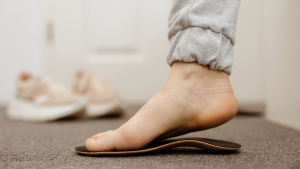 which can reduce strain on the arch.
Over-the-counter insoles are widely available and can provide general support for mild symptoms. They are often a convenient option for those looking for immediate relief.
However, these inserts are not customized to the individual foot. As a result, they may not provide enough support for more severe cases.
Custom orthotics offer a more tailored solution. Designed specifically for the patient, they provide better alignment and long-term support.
Insoles can be effective for mild to moderate symptoms. However, when pain persists or worsens, custom orthotics may be the better option.
What to Expect During Your Visit with Dr. Talisse
During your visit, the focus is on understanding both the structure and function of your feet.
The appointment typically begins with an evaluation of foot structure and gait. This helps identify alignment issues and how flat feet may be affecting movement.
Next, your symptoms and medical history are reviewed. This provides important insight into how long the condition has been present and how it has progressed.
If needed, imaging such as X-rays may be recommended. These images help assess bone position and overall severity.
Based on the findings, the podiatrist develops a personalized treatment plan. Throughout the process, the team emphasizes clear communication and encourages patients to stay involved in their care.
Why Patients in Peachtree City Choose Dr. Peter Talisse
Patients choose Dr. Peter Talisse for his experience in treating flat feet and related conditions. He carefully evaluates each case to ensure an accurate diagnosis.
Care is tailored to each patient, with treatment plans designed to address specific symptoms while supporting long-term improvement.
His approach also includes modern treatment options. When appropriate, he uses advanced therapies to enhance results and improve comfort.
Most importantly, he focuses on long-term outcomes, with the goal of relieving discomfort while supporting better movement and mobility over time.
When to See a Podiatrist for Flat Feet
It may be time to see a podiatrist if flat feet begin to interfere with daily life.
Persistent pain, especially in the arch or heel, should not be ignored. Difficulty standing or walking for extended periods is another sign that evaluation may be needed.
If symptoms worsen over time or begin to affect other areas, early care can help prevent further complications.
Seeking evaluation sooner often leads to more effective treatment and better long-term results.
Take the Next Step Toward Relief
Flat feet can affect comfort, mobility, and overall foot health. However, with the right care, symptoms can be managed effectively.
Seeking professional evaluation is an important step toward relief. With a personalized treatment plan, many patients can move more comfortably and stay active.
To get started, call 770-487-6716 or schedule your flat feet evaluation online at your convenience.