Persistent pain in the ball of your foot can make walking, exercising, and everyday activities uncomfortable. If you have noticed burning pain, tingling, or numbness between your toes, you may be experiencing Morton’s neuroma. This common foot condition can worsen over time if left untreated, making early evaluation important.
Fortunately, there are effective Morton’s neuroma treatment options available to help relieve pain and improve foot function. In this guide, you’ll learn about Morton’s neuroma symptoms, what causes Morton’s neuroma, treatment options, and when it may be time to see a podiatrist for professional care.
Table of Contents
What Is Morton’s Neuroma?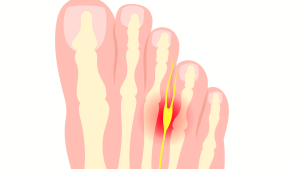
Morton’s neuroma is a condition that affects one of the nerves in the ball of the foot. It occurs when the tissue surrounding the nerve becomes thickened, placing pressure on the nerve and causing discomfort. Although it is called a neuroma, it is not a tumor. Instead, it is a thickening of tissue around the nerve.
The condition most commonly develops between the third and fourth toes and can make walking and other everyday activities uncomfortable. As the nerve becomes more irritated, symptoms may become more frequent and severe without proper treatment.
Early diagnosis is important because treatment is often more effective before the condition progresses.
What Causes Morton’s Neuroma?
Several factors can increase pressure on the nerves in the ball of the foot and contribute to the development of Morton’s neuroma. One of the most common causes is wearing tight or narrow shoes that squeeze the toes together. High heels can also increase pressure on the forefoot and place additional stress on the affected area.
Certain foot conditions, including flat feet, high arches, bunions, and hammertoes, may also increase the risk by changing how weight is distributed across the foot. Repetitive, high-impact activities such as running, tennis, and other sports can further irritate the nerve over time.
In many cases, Morton’s neuroma develops from a combination of these factors rather than a single cause. Identifying what is contributing to your symptoms helps a podiatrist recommend the most appropriate treatment plan.
Common Morton’s Neuroma Symptoms

Morton’s neuroma symptoms often develop gradually and may become more noticeable over time. The condition typically affects the ball of the foot and the area between the third and fourth toes. Symptoms can range from mild discomfort to significant pain that interferes with daily activities.
One of the most common symptoms is a burning or sharp pain in the ball of the foot. Many patients also experience tingling or numbness that extends into the affected toes. These sensations may worsen during walking, running, or standing for long periods.
Another classic symptom is the feeling of having a pebble trapped inside your shoe or a fold in your sock. Even when nothing is there, the sensation can be persistent and uncomfortable.
Symptoms are often aggravated by tight shoes, narrow toe boxes, or high heels. Removing your shoes and massaging the foot may provide temporary relief. However, symptoms usually return if the underlying problem is not treated.
As Morton’s neuroma progresses, pain episodes may become more frequent and severe. Seeking evaluation from a podiatrist can help determine whether your symptoms are related to Morton’s neuroma and what treatment options may provide relief.
Morton’s Neuroma Treatment Options
There are several Morton’s neuroma treatment options available, depending on the severity of your symptoms and how long the condition has been present. In many cases, early treatment can help relieve pain and prevent the condition from worsening.
Conservative treatment is often the first step. This may include wearing shoes with a wider toe box, avoiding high heels, and modifying activities that place excessive pressure on the forefoot. These changes can help reduce irritation around the affected nerve.
Custom orthotics and padding are also commonly recommended. Orthotics can help redistribute pressure across the foot and reduce stress on the nerve. Some patients benefit from metatarsal pads, which help relieve pressure in the ball of the foot.
Additional treatment options may include anti-inflammatory medications, icing, and corticosteroid injections. These treatments can help reduce inflammation and provide relief from pain, tingling, and numbness.
If conservative care does not improve symptoms, more advanced treatment may be recommended. A podiatrist can evaluate your condition and determine whether procedures such as injections or Morton’s neuroma surgery may be appropriate.
Because every patient is different, the best treatment plan is based on your symptoms, activity level, foot structure, and overall health. Early evaluation can often help patients find relief while avoiding more invasive treatment options.
Best Shoes for Morton’s Neuroma

Choosing the best shoes for Morton’s neuroma can help reduce pressure on the affected nerve and improve comfort throughout the day. While shoes alone cannot treat the condition, the right footwear can often lessen irritation and help prevent symptoms from worsening.
Look for shoes with a wide toe box that allows your toes to spread naturally. Shoes that are too narrow can compress the nerves in the forefoot and increase pain. A cushioned forefoot also helps absorb shock while walking, reducing stress on the ball of the foot.
Good arch support is another important feature. Proper support helps distribute weight more evenly across the foot and reduces excess pressure on the irritated nerve. Shoes with a low heel are generally recommended because high heels shift body weight toward the front of the foot, which can aggravate symptoms.
Patients with Morton’s neuroma should avoid tight-fitting shoes, pointed-toe styles, and high heels whenever possible. Wearing properly fitted shoes that provide adequate support can be an important part of managing symptoms and improving overall foot comfort.
Can Mortons Neuroma Insoles Help?
Mortons neuroma insoles can help reduce pressure on the affected nerve and improve comfort during daily activities. By redistributing weight across the foot, supportive insoles help relieve stress on the painful area in the ball of the foot.
Many insoles feature metatarsal pads that gently support and separate the metatarsal bones. This added support helps reduce nerve compression and may ease pain, tingling, and numbness. Insoles can also improve foot alignment and reduce abnormal pressure while walking.
Over-the-counter insoles may provide relief for some patients with mild symptoms. However, they offer a one-size-fits-most solution and may not provide enough support for everyone. Patients with ongoing pain often benefit from custom orthotics. A podiatrist designs custom orthotics to match your foot structure and biomechanics, providing more precise support and better pressure distribution.
During your evaluation, a podiatrist will determine whether over-the-counter insoles or custom orthotics are the best option for your condition. The right support can play an important role in relieving symptoms and helping prevent future irritation.
When Is Morton’s Neuroma Surgery Necessary?

Morton’s neuroma surgery is typically considered when conservative treatments have not provided lasting relief. Many patients improve with shoe modifications, custom orthotics, activity changes, and other non-surgical treatments. However, surgery may be recommended if pain continues to interfere with walking, work, or daily activities.
The goal of Morton’s neuroma surgery is to relieve pressure on the affected nerve and eliminate chronic pain. Depending on the severity of the condition, your podiatrist may recommend a procedure to release the ligament compressing the nerve or remove the damaged portion of the nerve. The most appropriate approach depends on your symptoms and overall foot health.
Following surgery, most patients can gradually return to normal activities as healing progresses. Recovery times vary depending on the procedure performed and individual factors. Your podiatrist will provide detailed instructions to help promote proper healing and reduce the risk of complications. Follow-up visits are also important to monitor your recovery and ensure the best possible outcome.
If conservative treatment has not relieved your symptoms, a podiatrist can determine whether Morton’s neuroma surgery is the right option for you and develop a treatment plan based on your individual needs.
Why Choose a Podiatrist for Morton’s Neuroma Treatment?
Choosing a podiatrist for Morton’s neuroma treatment ensures you receive care from a specialist who is trained to diagnose and treat conditions affecting the feet and ankles. Because several foot conditions can cause similar symptoms, an accurate diagnosis is essential for developing an effective treatment plan.
A podiatrist will perform a thorough evaluation of your symptoms, foot structure, gait, and overall biomechanics. This helps identify the underlying cause of your pain and determine whether Morton’s neuroma or another foot condition is responsible for your discomfort.
Treatment plans are tailored to each patient’s needs. Depending on the severity of your symptoms, your podiatrist may recommend shoe modifications, custom orthotics, activity changes, injections, or other conservative therapies. If non-surgical treatment does not provide relief, your podiatrist can also determine whether Morton’s neuroma surgery is appropriate.
The goal of Morton’s neuroma treatment is not only to relieve pain but also to improve foot function and prevent symptoms from returning. With early diagnosis and personalized care, many patients experience significant relief and can return to their normal daily activities with greater comfort.

Morton’s Neuroma Treatment in Conyers, GA
If pain in the ball of your foot, tingling in your toes, or other Morton’s neuroma symptoms continue to affect your daily life, it’s time to schedule an evaluation with a podiatrist. Prompt treatment can help relieve pain, improve mobility, and prevent symptoms from becoming more severe.
At Ankle & Foot Centers of America in Conyers, we provide personalized Morton’s neuroma treatment for patients experiencing forefoot pain. After evaluating your symptoms, foot structure, and lifestyle, our podiatrists will recommend the treatment approach that best fits your needs. From conservative care to advanced treatment options, our goal is to help you find lasting relief and return to your normal activities.
Don’t let foot pain keep you from living comfortably. Contact our Conyers office today to schedule an appointment, or schedule online at a time that’s convenient for you.