
Charcot foot is a serious complication that can develop in people with diabetes, especially those with peripheral neuropathy. When nerve damage reduces feeling in the feet, small injuries may go unnoticed and worsen over time. This can lead to fractures, joint instability, deformity, ulcers, and other complications that affect long-term mobility.
Many cases of Charcot diabetic foot begin with symptoms that look like a sprain, infection, or minor injury. The foot may become swollen, warm, or red, but pain may be mild because sensation is reduced. For patients seeking Charcot foot treatment in Columbus, GA, Dr. Monaco provides comprehensive evaluations and personalized care focused on early diagnosis, foot protection, and diabetic foot health.
Table of Contents
What Is Charcot Foot?
 Charcot foot is a progressive condition that affects the bones, joints, and soft tissues of the foot. It most often develops when peripheral neuropathy causes a loss of protective sensation. Without normal feeling, a patient may not notice a fracture, joint injury, or repeated pressure.
Continued walking on an injured foot can cause the bones and joints to weaken, shift, or collapse. This may change the shape of the foot and increase the risk of instability, wounds, and difficulty walking. Understanding Charcot foot is important because early treatment may help protect the foot before severe damage occurs.
Why Is It Called Charcot Foot?
Charcot foot is named after Dr. Jean-Martin Charcot, a French physician who studied the connection between nerve damage and changes in bones and joints. Today, the term describes structural breakdown in the foot related to neuropathy, most commonly in patients with diabetes.
Who Is at Risk for Charcot Diabetic Foot?
Charcot diabetic foot most often affects people who have diabetes and peripheral neuropathy. Patients with long-standing diabetes, difficulty managing blood sugar, previous foot ulcers, past injuries, kidney disease, or circulation problems may face a higher risk.
Patients who have had Charcot changes before should also receive regular foot evaluations, since the condition can return or affect the opposite foot. Ongoing diabetic foot care helps identify early warning signs and may reduce the risk of advanced complications.
Diabetes and Nerve Damage
Diabetes can damage the nerves in the feet over time, leading to peripheral neuropathy. When patients lose the ability to feel pain, pressure, heat, or small injuries, early Charcot foot symptoms may not cause the amount of pain expected from a fracture or joint injury. The foot may look swollen, warm, or red while discomfort remains mild or absent.
Common Symptoms of Charcot Foot Disease
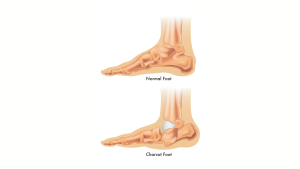
Charcot foot disease can be difficult to recognize at first because symptoms may appear suddenly but not always feel painful. The affected foot may feel warmer than the other foot and appear red or inflamed.
As the condition progresses, the foot may feel unstable, walking may become harder, or shoes may suddenly feel tighter. Changes in arch height or foot shape can also occur as bones and joints weaken. Any new swelling, warmth, redness, or structural change should be evaluated promptly.
Early Signs Patients Should Never Ignore
Patients should pay close attention to persistent swelling, sudden arch changes, increased shoe tightness, or minor injuries that do not improve as expected. These changes may seem small, but they can signal a more serious problem beneath the surface. Seeking care early gives patients the best chance to prevent worsening deformity, protect mobility, and avoid more complex treatment later.
Understanding Charcot Foot Deformity
Charcot foot deformity can develop when small fractures and joint injuries go unnoticed. If a patient continues walking on the affected foot, repeated stress can cause the bones to shift, collapse, or heal in an abnormal position. As the foot loses stability, the arch may begin to flatten or change shape.
One of the most recognized changes is a rocker-bottom deformity, which occurs when the arch collapses and the bottom of the foot become rounded. This can create pressure in areas that are not designed to bear weight, increasing the risk of skin breakdown, diabetic foot ulcers, infection, and difficulty walking.
Complications of Untreated Charcot Foot
Untreated Charcot foot can lead to chronic wounds, infection, and reduced mobility. When pressure points develop from deformity, ulcers may form and become difficult to heal. In more serious cases, infection can spread to the bone, a condition known as osteomyelitis. Advanced deformity or severe infection can also increase the risk of amputation.
How Dr. Monaco Diagnoses Charcot Foot
Diagnosing Charcot foot begins with a review of the patient’s symptoms, medical history, and diabetic foot health. Dr. Monaco may ask about diabetes management, neuropathy, previous ulcers, circulation concerns, past injuries, and recent changes in swelling, warmth, or foot shape.
During the exam, Dr. Monaco checks for redness, swelling, warmth, instability, and structural changes. A neurological assessment may help determine whether reduced sensation is present. Imaging studies may also be recommended to look for fractures, joint changes, or early bone damage. An accurate diagnosis is the first step in building a personalized Charcot foot treatment plan.
Diagnostic Tools Used
X-rays are often used to look for fractures, bone shifting, joint changes, or collapse. In the early stages, X-rays may not show the full extent of the condition. When Charcot foot is suspected but early changes are not clearly visible, an MRI may provide a detailed look at inflammation, small fractures, and soft tissue involvement. CT scans may be used in complex cases, and vascular testing may help evaluate circulation.
Charcot Foot Treatment Options
 Charcot foot treatment depends on the stage of the condition, the amount of deformity, the patient’s overall health, and whether wounds are present. In early stages, treatment often focuses on reducing pressure so the bones and joints can stabilize. This may include immobilization, offloading, bracing, orthotics, or specialized diabetic footwear.
When the condition has caused severe instability, deformity, or recurring ulcers, more advanced treatment may be needed. The goal is to protect the foot, reduce complications, improve stability, and help patients maintain as much independence as possible.
Immobilization and Offloading
Immobilization and offloading help reduce stress on weakened bones and joints. Depending on the patient’s condition, Dr. Monaco may recommend a total contact cast, walking boot, or another offloading device to protect the foot while it heals. Patients may also need to limit activity or use assistive devices during this stage. Following offloading instructions carefully can lower the risk of additional fractures, collapse, or deformity.
Custom Bracing and Orthotics
After active inflammation improves, many patients still need long-term support. Custom bracing and orthotics can help support weakened areas, improve weight distribution, and reduce pressure on vulnerable parts of the foot. Specialized diabetic footwear may also be recommended when the foot shape has changed, or certain areas are at risk for skin breakdown.
Ongoing Diabetic Foot Care
Ongoing diabetic foot care plays an important role in managing Charcot foot. Routine monitoring allows Dr. Monaco to check for skin irritation, pressure points, wounds, recurring inflammation, or changes in foot shape. Patients should also inspect their feet daily for redness, swelling, blisters, cuts, sores, or changes in skin color. Blood sugar management, properly fitted shoes, and early reporting of new symptoms all support long-term foot health.
When Is Charcot Foot Surgery Necessary?
Many patients improve without surgery when Charcot foot is diagnosed early and treated before major structural changes occur. In these cases, care may focus on immobilization, offloading, bracing, diabetic footwear, and close monitoring.
Charcot foot surgery may become necessary when the foot is severely unstable, deformity continues to progress, chronic ulcers do not heal, infections keep returning, or the patient can no longer wear supportive footwear safely. The goal of surgery is to improve stability, reduce pressure points, support wound prevention, and help patients regain safer function.
Types of Charcot Foot Surgery
The type of Charcot foot surgery recommended depends on the severity of the deformity and the patient’s needs. Reconstruction may involve realigning bones and joints into a more stable position. Internal fixation, such as plates, screws, rods, or other hardware, may hold the corrected structure in place. Ex-ostectomy may remove prominent bone areas that contribute to pressure or recurring ulcers, while fusion procedures may help stabilize damaged joints.
Recovery After Charcot Foot Surgery
Recovery after Charcot foot surgery is usually gradual and requires careful protection. Patients often need an extended period of offloading with a cast, boot, or assistive device while the bones and joints heal. As healing progresses, Dr. Monaco may guide patients through a gradual return to activity. Physical rehabilitation may also help improve strength, balance, and confidence with walking.
Why Early Treatment Matters
Early treatment can help prevent permanent deformity, reduce ulcer risk, and preserve mobility. When Charcot foot is diagnosed before severe collapse occurs, treatment can focus on stabilizing the foot and allowing the bones and joints time to heal. Prompt care may also help patients avoid more complex surgery and maintain independence.

Why Patients Choose Dr. Monaco for Charcot Foot Care in Columbus
Patients with Charcot foot need careful evaluation, close monitoring, and a plan built around their specific condition. Dr. Monaco provides comprehensive care for diabetic foot conditions, including Charcot foot, with a focus on early diagnosis, complication prevention, and long-term mobility.
Treatment may include conservative options such as offloading, immobilization, bracing, orthotics, and diabetic footwear. If surgery becomes necessary, Dr. Monaco can discuss appropriate options based on the patient’s needs. The overall goal is to protect the foot, preserve function, and support long-term diabetic foot health.
Tips for Preventing Charcot Diabetic Foot Complications
Preventing complications from Charcot diabetic foot starts with daily care. Patients should check their feet for swelling, redness, warmth, blisters, cuts, sores, or changes in shape. Even slight changes should be taken seriously when sensation is reduced.
Proper footwear is also important. Diabetic shoes, custom inserts, and braces can reduce pressure points and protect the skin. Patients should avoid walking barefoot, even at home, because minor injuries can become more serious when nerve damage is present. Managing blood sugar, scheduling routine podiatric exams, and reporting new swelling or redness right away can also help protect long-term foot health.
Schedule an Evaluation for Charcot Foot Treatment in Columbus, GA
Persistent swelling, warmth, redness, or changes in foot shape should not be ignored, especially for patients with diabetes or peripheral neuropathy. Even when pain is mild, these symptoms may point to a severe problem beneath the surface.
For patients seeking Charcot foot treatment in Columbus, GA, Dr. Monaco provides comprehensive care focused on early diagnosis, personalized treatment, and diabetic foot protection. Patients can call 762-985-0020 or schedule their Charcot foot evaluation online at their convenience.