
Heel pain in the back of the foot can start subtly, often appearing during activity or with the first steps in the morning. At first, it may seem minor. However, the discomfort can gradually worsen if it is not addressed.
This type of pain is commonly associated with Achilles tendonitis, a condition caused by inflammation of the Achilles tendon, the strong band of tissue that connects the calf muscles to the heel bone. Over time, repeated strain or overuse can lead to ongoing pain, swelling, and reduced mobility.
Achilles tendonitis affects a wide range of individuals, from those who stay active to those who spend long hours on their feet throughout the day. In a growing community like Acworth, it is not uncommon for residents to experience this condition, especially when activity levels increase without proper support or recovery.
Because symptoms often develop gradually, early treatment plays an important role in preventing further irritation or injury. Patients seeking expert Achilles tendonitis treatment in Acworth, GA can turn to Dr. Ali, a trusted foot and ankle specialist who provides personalized care focused on relieving pain, restoring function, and helping individuals return to their normal routines.
Table of Contents
What Is Achilles Tendonitis?
Achilles tendonitis develops when the Achilles tendon becomes irritated due to repeated stress. This tendon plays a key role in movement, allowing the foot to push off the ground while walking, running, or climbing stairs.
Since it handles significant force, the tendon is especially vulnerable to overuse. Over time, small strains can build up, leading to inflammation and discomfort.
There are two main types of Achilles tendonitis. Insertional Achilles tendonitis affects the lower portion of the tendon where it attaches to the heel. In contrast, non-insertional Achilles tendonitis occurs higher up in the tendon and is often related to repetitive activity.
If you want, I can apply this exact tone across the rest of the blog so everything stays consistent.
In most cases, symptoms develop gradually. What begins as mild soreness can progress into more persistent pain if left untreated.
What Causes Achilles Tendonitis?
 Understanding what causes Achilles tendonitis can help reduce the risk of developing this condition. In most cases, it is the result of repeated strain rather than a single injury.
Common causes include:
- Overuse from walking, running, or sports
- Sudden increases in activity level
- Tight calf muscles that place extra tension on the tendon
- Improper footwear with poor support
- Flat feet or abnormal walking patterns
- Natural aging and tendon degeneration
In an active area like Acworth, many residents spend time outdoors or on their feet throughout the day. While staying active is important, it can also increase the likelihood of overuse injuries without proper support and recovery.
Common Symptoms of Achilles Tendonitis
 Achilles tendonitis often begins with mild discomfort but can gradually worsen. Recognizing the symptoms early can help prevent further irritation.
Common symptoms include:
- Pain along the back of the heel
- Morning stiffness or tightness
- Swelling or thickening of the tendon
- Pain that worsens with activity
- Difficulty walking or exercising
If these symptoms last more than a few days or begin to interfere with daily activities, it is important to seek professional care. Early treatment can help prevent long-term damage.
How to Treat Achilles Tendonitis
Knowing how to treat Achilles tendonitis starts with early evaluation. When addressed promptly, patients often experience faster relief and better outcomes.
Treatment focuses on three main goals:
- Reducing pain and inflammation
- Promoting proper healing
- Preventing recurrence
A personalized approach is essential. By identifying the underlying cause, treatment can be tailored to relieve symptoms while supporting long-term recovery.
Achilles Tendonitis Treatment Options in Acworth, GA
There are several effective options for Achilles tendonitis treatment in Acworth, depending on the severity of the condition.
 Conservative (Non-Surgical) Treatment
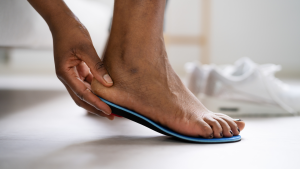 Conservative (Non-Surgical) Treatment
Most cases respond well to non-surgical care, especially when treated early. These options may include:
- Rest and activity modification
- Custom orthotics to improve foot alignment
- Stretching and physical therapy
- Anti-inflammatory treatments
- MLS laser therapy to promote healing
- Temporary immobilization with a walking boot
These treatments are designed to reduce strain on the tendon and support recovery.
Advanced Treatment Options
If symptoms do not improve with conservative care, advanced treatments may be recommended. These can include:
- PRP (platelet-rich plasma) therapy to stimulate healing
- Shockwave therapy to improve circulation and tissue repair
These options are often used to avoid surgery while still addressing persistent pain.
Surgical Treatment (When Necessary)
Surgery is rarely required but may be considered for severe or chronic cases. The goal is to remove damaged tissue and restore tendon function.
Recovery typically involves a structured rehabilitation plan, allowing patients to gradually return to normal activity.
How to Cure Achilles Tendonitis Fast (And Safely)
Many patients look for how to cure Achilles tendonitis fast, but it is important to understand that safe healing takes time.
The most effective way to recover quickly includes:
- Starting treatment early
- Following a personalized care plan
- Avoiding continued strain on the tendon
Pushing through pain can delay healing and increase the risk of further injury. Professional care helps guide recovery and ensures the tendon heals properly.
Why Choose Dr. Ali for Achilles Tendonitis Treatment in Acworth, GA
Dr. Ali provides patient-focused care designed to address both the condition and its underlying causes. Each treatment plan is tailored to the individual, helping patients achieve both short-term relief and long-term results.
Patients benefit from:
- Customized treatment plans
- Access to modern technology and advanced therapies
- A convenient Acworth location
- Trusted care through Ankle & Foot Centers of America
This approach allows patients to return to their daily routines with improved comfort and confidence.
Preventing Achilles Tendonitis
Preventing Achilles tendonitis starts with simple daily habits that reduce stress on the tendon.
Helpful strategies include:
- Wearing supportive footwear
- Stretching before activity
- Gradually increasing exercise intensity
- Maintaining strength and flexibility
- Using custom orthotics when needed
These steps can help lower the risk of injury and support long-term foot health.
When Should You See a Foot and Ankle Specialist?
It is important to seek care when symptoms do not improve on their own.
Patients should consider evaluation if they experience:
- Pain lasting more than a few days
- Difficulty walking or standing
- Swelling or worsening discomfort
- Recurring pain or prior injuries
Early treatment can help prevent more serious complications and support a faster recovery.

Schedule Achilles Tendonitis Treatment in Acworth, GA
Patients experiencing heel pain are encouraged to schedule an evaluation with Dr. Ali in Acworth, GA.
Patients can call 678-262-5108 or click here to schedule online for Achilles tendonitis treatment in Acworth, GA. Addressing symptoms early can help improve comfort and prevent the condition from progressing. Convenient appointment options make it easier to receive care when it is needed most.
FAQs About Achilles Tendonitis
What is the fastest way to heal Achilles tendonitis?
- The fastest way to heal Achilles tendonitis involves rest, activity modification, and professional treatment to reduce inflammation and support healing.
Can Achilles tendonitis go away on its own?
- Mild cases may improve with rest, but without proper care, symptoms can worsen over time.
How long does Achilles tendonitis take to heal?
- Recovery time varies. Some cases improve within a few weeks, while others may take longer depending on severity.
What happens if Achilles tendonitis is left untreated?
- Untreated Achilles tendonitis can lead to chronic pain and an increased risk of tendon rupture.