Foot and heel pain can quietly take a toll on everyday life in East Cobb. What may start as mild discomfort can make simple activities like walking the dog, staying active, or getting through a workday feel more difficult over time. As symptoms linger, many patients begin looking for solutions that offer more than temporary relief.
In recent years, there has been growing interest in treatments that support the body’s ability to heal. Instead of only masking pain, these approaches focus on repairing damaged tissues and improving long-term function. As a result, more patients are exploring regenerative options as part of their care.
One option that continues to gain attention is PRP treatment, also known as platelet-rich plasma therapy. This non-surgical approach uses the patient’s own blood to help stimulate healing in injured or inflamed areas of the foot and ankle. For those dealing with ongoing pain, PRP offers a modern alternative that works with the body rather than against it.
Patients searching for PRP treatment in East Cobb, GA often turn to Dr. Shaynah Goldfine for a more personalized approach. She carefully evaluates each patient’s condition, activity level, and goals before creating a plan that supports both recovery and long-term foot health.
Table of Contents
What Is PRP? Understanding the Basics
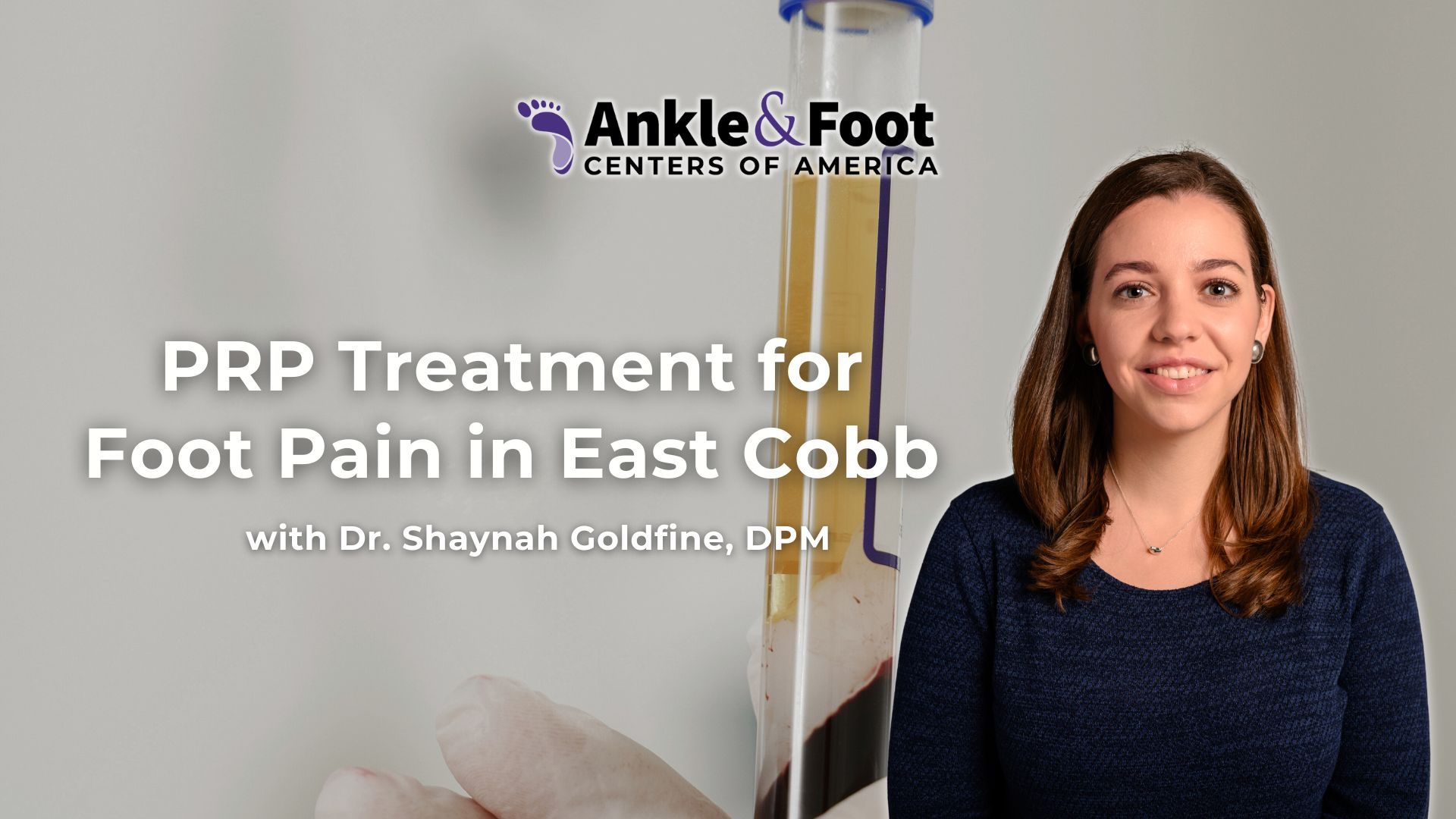
PRP, or platelet-rich plasma, is a treatment that uses the body’s own healing components to support recovery. For those wondering what PRP is, it is a concentrated portion of blood that contains platelets—cells that play an important role in tissue repair.
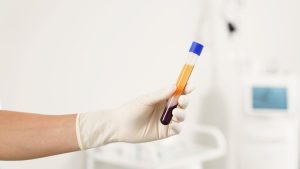
To better understand what PRP treatment is, it helps to look at how it’s created. A small sample of blood is drawn and placed into a specialized machine that separates the platelets. This process produces a concentrated solution that can be used in targeted areas of the foot or ankle.
In simple terms, what is PRP therapy comes down to using this platelet-rich plasma to promote healing. Because it uses the patient’s own blood, PRP therapy is considered a regenerative treatment designed to support repair rather than simply reduce pain.
How PRP Therapy Works for Foot and Heel Pain
PRP therapy works by enhancing the body’s natural healing response. Platelets contain growth factors that help repair damaged tissue, and when they are concentrated and delivered to a specific area, they can stimulate a more targeted response.
During PRP treatment, the platelet-rich plasma is injected directly into the area causing pain. These PRP injections focus on injured or inflamed tissue, helping the body begin repairing the underlying damage.
This approach is often used for conditions that involve slow healing or chronic strain, including plantar fasciitis, Achilles tendonitis, tendon injuries, and ongoing inflammation. Because these issues can linger for months, PRP therapy offers a way to support recovery at the source.
Over time, many patients notice gradual improvement as the body responds and begins to repair the affected area.
What to Expect During a PRP Injection
A PRP injection is a simple, in-office procedure designed with patient comfort in mind.
The visit typically begins with a small blood draw, similar to routine lab work. The sample is then processed to concentrate the platelets, a step that only takes a short amount of time.
Once prepared, the platelet-rich plasma is carefully injected into the affected area. The goal is to deliver the treatment directly where healing is needed most.
Because the procedure is done in the office, patients can usually return home shortly after. Most people resume light daily activities with minimal disruption, although specific instructions may vary depending on the condition being treated.
 Benefits of PRP Treatment for Foot Pain
 Benefits of PRP Treatment for Foot Pain
PRP treatment offers a non-surgical option for managing foot and heel pain, making it appealing for patients who want to avoid more invasive procedures and extended recovery times.
One of the main benefits of PRP therapy is that it uses the body’s natural healing ability. Because it is created from the patient’s own blood, it supports repair without introducing foreign substances.
Most patients experience minimal downtime after a PRP injection. While some temporary soreness is normal, many people return to their usual routines with only minor adjustments.
In some cases, PRP treatment may help delay or even avoid surgery. Instead of providing only short-term relief, it focuses on gradual improvement as the body heals over time.
Is PRP Therapy Right for You?
PRP therapy may be a good option for patients dealing with ongoing foot or heel pain that hasn’t improved with conservative treatments like rest, stretching, or orthotics.
It is often recommended for individuals with chronic conditions or those looking to stay active while avoiding surgery. In many cases, PRP treatment is considered before moving forward with more invasive procedures.
However, not every condition responds the same way, which is why a proper evaluation is important. This helps determine whether PRP therapy is the right fit.
In East Cobb, Dr. Shaynah Goldfine takes the time to assess each patient’s symptoms and goals, helping guide them toward a treatment plan that supports long-term relief.

Why Patients in East Cobb Choose Dr. Shaynah Goldfine
Patients in East Cobb often look for care that feels both personalized and effective. Dr. Shaynah Goldfine takes the time to understand each patient’s needs before recommending treatment.
She offers advanced, minimally invasive options like PRP therapy, giving patients the opportunity to explore solutions that align with modern, regenerative care.
Because she treats a wide range of foot and ankle conditions, Dr. Goldfine takes a thoughtful, individualized approach to each patient’s care.
Local, convenient care also makes it easier for patients to stay consistent with treatment and follow-up visits, which can support better outcomes.
Recovery and Results: What Patients Should Know
Recovery after PRP treatment is gradual. Because PRP therapy supports the body’s natural healing process, improvements typically develop over time rather than immediately.
Some patients notice changes within a few weeks, while others may take longer as the body continues to repair the treated area.
After a PRP injection, temporary activity modifications may be recommended. High-impact activities are usually limited for a short period, while light movement may still be encouraged.
Follow-up visits are important for monitoring progress and determining if additional PRP treatment is needed.
Setting realistic expectations is key. PRP therapy is designed to promote long-term healing rather than provide instant relief.
FAQs About PRP Therapy
What is PRP therapy used for?
PRP therapy is used to treat conditions involving inflammation or tissue damage, including plantar fasciitis, Achilles tendonitis, and tendon injuries.
How long does a PRP injection take?
Most PRP injections are completed in about 30 to 60 minutes during an office visit.
Is PRP treatment painful?
Patients may feel mild discomfort during the injection, followed by temporary soreness, which usually resolves quickly.
How many treatments are needed?
Some patients need one PRP treatment, while others may benefit from a series depending on the condition.
When will I start to feel better?
Improvement is gradual. Many patients begin noticing results within a few weeks.
Take the Next Step Toward Pain Relief in East Cobb
Living with foot or heel pain can interfere with your daily routine. PRP treatment gives patients a non-surgical option to explore before considering more invasive procedures.
To learn more, click here to schedule PRP therapy in East Cobb with Dr. Shaynah Goldfine or call 678-262-5093 to speak with the office.