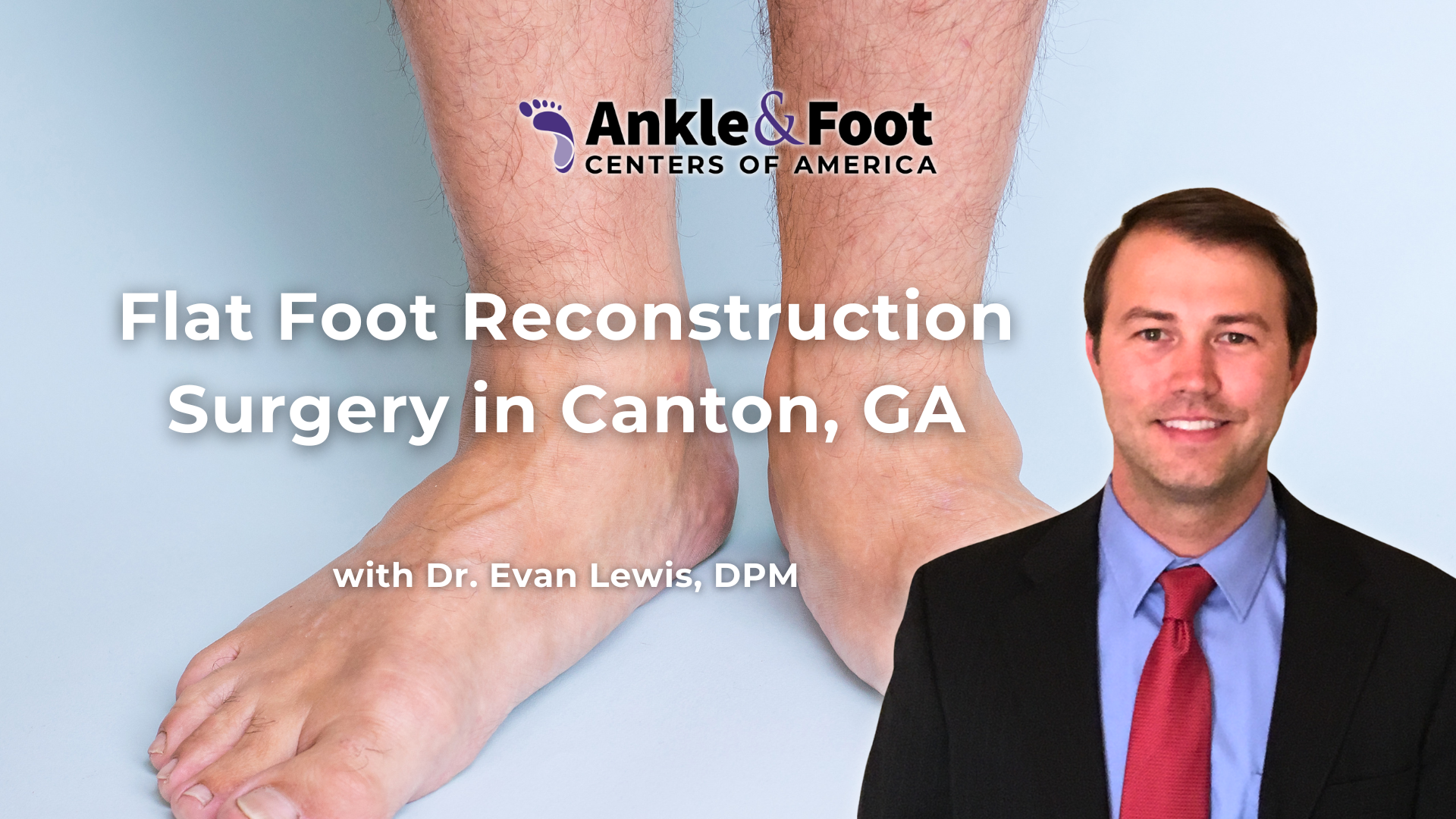
What begins as mild arch fatigue can gradually become a daily frustration. Many people first notice discomfort after walking through a Canton neighborhood, standing for long hours at work, or spending time outdoors. Over time, that tired feeling may turn into persistent arch pain, inner ankle swelling, or a sensation that the foot is rolling inward. Shoes may wear unevenly, and activities that once felt easy can become uncomfortable. For those exploring flat foot surgery in Canton, GA, understanding why these symptoms develop is an important first step.
Not all flat feet look or feel the same. In some cases, people experience only mild arch lowering with occasional discomfort, while others develop a progressive deformity that worsens over time. As the arch collapses, the ankle often shifts inward, placing strain on tendons, joints, and surrounding structures. Over time, Without proper support, symptoms tend to increase rather than improve.
Conservative treatment is usually the first step. Supportive shoes, activity adjustments, physical therapy, and flat foot insoles can reduce strain and improve comfort. For many patients, these measures are enough. However, when pain persists or deformity continues to progress, more advanced treatment—including flat foot reconstruction surgery—may be necessary to restore alignment and long-term stability.

Table of Contents
Understanding Flat Foot: What Happens to the Arch?
Flat foot occurs when the arch lowers or collapses, allowing more of the sole to contact the ground. In some cases, the arch returns when the foot is off the ground but flattens with weight. In more advanced cases, the arch stays collapsed at all times and can contribute to stiffness or arthritis.
As the arch weakens, alignment changes. The ankle may tilt inward, and over time this shift can affect the knees, hips, and lower back. This explains why flat foot discomfort sometimes extends beyond the foot itself.
One of the most common causes is posterior tibial tendon dysfunction. This tendon helps support the arch. When it becomes inflamed, overstretched, or torn, the arch gradually loses support. Other causes include ligament weakness, arthritis, prior injuries, and genetic foot structure.
Symptoms often go beyond simple fatigue. Patients may experience:
- Persistent arch pain
- Swelling along the inside of the ankle
- The heel shifting outward
- Progressive flattening of the foot
- Difficulty standing or walking for long periods
If symptoms continue despite orthotics and supportive care, a comprehensive evaluation is important to determine the severity and next steps.
Conservative Flat Foot Treatment Options
Early treatment can often control symptoms and slow progression. Conservative flat foot treatment focuses on reducing strain and improving support.
Custom Flat Foot Insoles
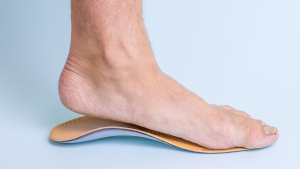 Flat foot insoles help redistribute pressure and support the arch during walking. Custom orthotics differ from store-bought inserts by providing support tailored to your foot structure and gait. While over-the-counter inserts offer cushioning, custom devices provide targeted correction.
Insoles work well for mild to moderate cases. However, when deformity advances or tendon damage worsens, they may no longer be sufficient on their own.
Physical Therapy
Strengthening the posterior tibial tendon and surrounding muscles can improve stability. Therapy often includes balance training and gait correction to reduce abnormal stress during walking.
Bracing and Support
When symptoms increase, ankle-foot braces help stabilize the foot and improve support. During flare-ups, temporary immobilization can allow inflamed tissues to rest and recover.
Footwear and Activity Adjustments
Supportive shoes with proper structure are essential. Reducing high-impact activity can also decrease strain on weakened tendons.
While conservative care is always the starting point, not every flat foot deformity can be corrected without surgery. When symptoms worsen despite these efforts, structural correction may be considered.
When Is Flat Foot Surgery Necessary?
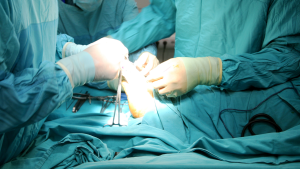 Surgery typically becomes an option when conservative treatment no longer controls symptoms, including when:
- Pain persists after months of non-surgical care
- The deformity continues to progress
- The foot becomes increasingly unstable
- Tendon rupture occurs
- Arthritis develops in the joints
Timing matters. Addressing the condition before severe joint damage develops can reduce the complexity of surgery and improve outcomes. Delaying treatment can allow the condition to spread to other joints and require more extensive correction.
Flat foot surgery is not a temporary fix. Instead, this approach corrects structural imbalance and restores long-term alignment.
What Is Flat Foot Reconstruction Surgery?
Flat foot reconstruction surgery addresses the structural changes that occur when the arch collapses. Because flat foot often involves multiple structures—tendons, ligaments, and bones—reconstruction typically includes a combination of procedures tailored to the individual.
This is not a one-size-fits-all operation. The surgical plan depends on the severity of deformity, tendon health, joint condition, and overall patient goals.
Possible Components of Reconstruction
Depending on the case, surgery may include:
- Tendon repair or tendon transfer
- Calcaneal osteotomy (realignment of the heel bone)
- Arch restoration procedures
- Joint stabilization
- Ligament reconstruction
Each step works together to rebuild the arch and restore alignment.
Goals of Surgery
The primary goals are to:
- Restore proper alignment
- Reduce pain
- Improve function
- Prevent further joint damage
Before recommending surgery, the provider completes a thorough evaluation, including imaging such as X-rays and, when needed, MRI. Careful planning ensures that treatment addresses both current symptoms and long-term stability.
What to Expect Before and After Surgery
Preparation begins with detailed imaging and a physical exam. The provider may perform a gait analysis to assess movement patterns. Just as important is a discussion about realistic expectations and recovery goals.
Recovery Timeline
Recovery occurs in stages:
- An initial non-weightbearing period
- Transition into a walking boot
- Gradual return to supportive footwear
- Physical therapy to restore strength and balance
Healing takes time. Most patients require several months before returning to full activity. Patience and adherence to the recovery plan are essential.
Long-Term Outlook
Although recovery requires commitment, many patients experience meaningful improvement. Restored alignment often leads to greater stability and reduced pain. Walking and daily activities typically become more comfortable once healing is complete.
Why Local Expertise Matters in Canton, GA
Flat foot deformities vary widely. Seeing a provider experienced in reconstructive foot surgery ensures accurate diagnosis and appropriate treatment selection. Not every patient needs surgery, and careful evaluation determines the best path forward.
Personalized treatment planning takes into account lifestyle, activity level, and long-term goals. Receiving care locally in Canton also allows for convenient follow-up visits and ongoing rehabilitation, which play an important role in successful recovery.
Frequently Asked Questions
Can doctors correct flat foot without surgery?
Yes, many mild to moderate cases improve with orthotics, therapy, and supportive footwear. Providers recommend surgery only after conservative treatment no longer provides relief.
Are flat foot insoles enough for severe cases?
Insoles provide support, but advanced deformities involving tendon damage or arthritis may require surgical correction.
How long is recovery from flat foot reconstruction surgery?
Recovery typically takes several months and progresses in stages. Full healing requires patience and structured rehabilitation.
Is the surgery painful?
Patients often experience some discomfort, but modern pain management techniques help control symptoms during recovery.
Will I return to normal activities?
Most patients are able to return to daily activities with improved comfort and stability. High-impact activities may take longer to resume.
Taking the Next Step Toward Relief
Flat foot can be progressive, which is why early evaluation is so important. Identifying the condition sooner allows for more treatment options and may help prevent worsening deformity. Many patients find relief with conservative flat foot treatment, while others benefit from advanced reconstruction when symptoms continue or structural changes progress.
The most important step is not waiting until discomfort interferes with daily life. With the right care plan, restoring comfort, stability, and long-term foot health is achievable. Patients can schedule flat foot care in Canton, GA online or call 470-274-7763 to get started.