
Although some people view bunions as cosmetic concerns, bunions are medical conditions that can significantly affect mobility.
Bunions are a common foot condition that can gradually interfere with everyday life. What may begin as a small bump near the base of the big toe can progress into ongoing discomfort that affects walking, exercise, and routine activities such as standing for long periods or wearing shoes comfortably. As the big toe joint becomes misaligned, pressure and friction increase, often leading to persistent bunion pain that makes staying active more difficult.
Without proper care, bunion symptoms rarely improve on their own. In many cases, pain and stiffness worsen as deformity progresses. This is why professional evaluation plays an important role in long-term relief. For individuals seeking bunion treatment in Johns Creek, working with a podiatrist allows for accurate diagnosis, identification of contributing factors, and a personalized treatment plan aimed at relieving pain and preserving foot function.
Table of Contents
What Is a Bunion?
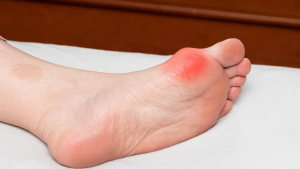 A bunion refers to the structural foot deformity hallux valgus. It occurs when the big toe gradually shifts out of alignment and angles toward the second toe. As this happens, a visible bump forms at the base of the big toe joint. This bump is not extra bone growth, but the result of the joint moving out of position over time.
Bunions develop due to abnormal pressure and mechanics at the big toe joint. Repeated stress—often related to foot structure, biomechanics, or prolonged pressure—causes the bones to slowly drift out of alignment. Unlike temporary foot pain, bunions are progressive, meaning they tend to worsen without treatment. As the deformity advances, bunion symptoms may include increasing pain, swelling, stiffness, redness, and difficulty wearing shoes.
Although some people view bunions as cosmetic concerns, bunions are medical conditions that can significantly affect mobility. Left untreated, bunion pain may become chronic and contribute to joint arthritis, overlapping toes, and additional pressure-related problems. Recognizing bunions as a functional issue is an important step toward effective treatment.
Common Bunion Symptoms to Watch For
Bunion symptoms often develop gradually and may be easy to overlook early on. One of the most noticeable signs is a visible bump at the base of the big toe. This area may become tender, particularly when irritated by shoes or prolonged activity.
As the bunion progresses, redness, swelling, and inflammation around the joint are common. Many people experience ongoing bunion pain while walking, standing, or exercising, especially after spending long periods on their feet. Stiffness and reduced range of motion in the big toe can also develop, making normal walking uncomfortable.
Toe misalignment may lead to secondary issues such as calluses or corns caused by increased friction between toes or against footwear. When bunion symptoms begin to interfere with daily activities or continue despite shoe changes, professional bunion treatment is often necessary to prevent further progression.
What Causes Bunions to Develop?
Bunions develop due to a combination of structural, genetic, and lifestyle factors. One of the most common contributors is foot structure and inherited biomechanics. Individuals with flat feet, low arches, unstable joints, or abnormal gait patterns are more likely to develop bunions. In many cases, bunions run in families because of shared foot mechanics rather than footwear alone.
Improper or tight footwear can also accelerate bunion development. Shoes with narrow toe boxes or high heels place excessive pressure on the forefoot and force the toes into unnatural positions. Repetitive pressure on the forefoot—such as standing or walking for long hours—can further strain the big toe joint.
Certain arthritis and joint conditions, including osteoarthritis and inflammatory arthritis, may weaken joint stability and increase the risk of bunions. Occupational and lifestyle factors also play a role, helping explain why bunions are more common or progress more quickly in some patients.
Why Professional Bunion Treatment Matters
Ignoring bunion pain allows the condition to progress and may lead to more serious foot problems. What begins as mild discomfort can develop into persistent pain that interferes with walking and daily activities. Without treatment, bunions often worsen, increasing the risk of chronic inflammation, stiffness, and secondary issues.
As alignment changes, bunions can affect balance and posture by shifting weight unevenly through the foot. Over time, this uneven pressure may place added stress on the ankles, knees, hips, and lower back. Early evaluation helps prevent these compensatory problems.
A podiatrist provides accurate diagnosis by assessing bunion severity, joint alignment, and contributing biomechanical factors. Early intervention often allows for conservative care and helps slow progression. Personalized treatment plans support long-term joint health while effectively managing bunion pain.
Non-Surgical Bunion Treatments
Podiatrists often recommend non-surgical bunion treatment when symptoms remain mild to moderate. Conservative care focuses on relieving pain, improving joint function, and slowing progression. While these treatments cannot reverse an existing bunion, they are often effective in improving comfort.
Podiatrists commonly use custom orthotics to improve alignment and reduce abnormal pressure on the big toe joint. Footwear recommendations, including shoes with wide toe boxes and proper support, also play a key role. Additional treatments may include padding or protective devices to reduce friction and anti-inflammatory strategies to manage swelling.
Activity modifications and ongoing monitoring allow care to be adjusted as symptoms change. Many patients experience meaningful relief through personalized non-surgical bunion treatments.
When Does a Podiatrist Recommend Bunion Surgery?
 Bunion surgery may be recommended when conservative care no longer provides relief and symptoms continue to worsen. Persistent bunion pain, increasing deformity, and difficulty wearing shoes are common indicators that surgery may be appropriate.
As bunions enlarge, everyday footwear may become uncomfortable, limiting mobility and participation in normal activities. It is important to note that bunion surgery is not one-size-fits-all. Surgical decisions are based on bunion severity, foot structure, symptoms, and overall health.
The goal of surgery is to correct the underlying joint alignment—not simply remove the visible bump—allowing for improved function and long-term pain relief.
Understanding Bunion Surgery Options
Modern bunion surgery includes a variety of advanced techniques designed to restore proper alignment. Procedures may involve realigning bones, adjusting soft tissues, or stabilizing the joint. Surgical planning is highly individualized based on imaging and biomechanical evaluation.
Most bunion surgeries are performed on an outpatient basis, allowing patients to return home the same day. Advances in surgical techniques and postoperative care have made bunion surgery safer and more predictable, with improved long-term outcomes.

Recovery and Expectations After Bunion Surgery
Recovery timelines vary depending on the procedure, but most patients experience gradual improvement over several weeks. Swelling and discomfort are common early in recovery, with light activity often resuming within weeks and full recovery taking several months.
Weight-bearing guidelines are carefully outlined and may involve a surgical shoe or boot. Follow-up care is essential to monitor healing and alignment. In some cases, physical therapy is recommended to restore strength and mobility.
With proper care, long-term outcomes are generally positive. Maintaining supportive footwear or orthotics helps reduce recurrence and supports lasting relief.
Why Choose a Johns Creek Podiatrist for Bunion Care
A Johns Creek podiatrist offers specialized expertise in diagnosing and treating both mild and advanced bunions. A patient-focused, evidence-based approach tailors treatment plans to individual needs instead of using a one-size-fits-all model.
Access to both conservative and surgical bunion treatments within the same practice allows continuity of care as symptoms evolve. Receiving care close to home makes follow-up and long-term management more convenient and effective.
Taking the Next Step Toward Bunion Pain Relief
Bunion symptoms should not be ignored. Early evaluation allows treatment to begin before the condition worsens and limits available options. Professional bunion treatment focuses on restoring comfort, improving alignment, and helping patients remain active. Patients can schedule bunion treatment online or call 770-418-0456 to schedule an appointment with a Johns Creek podiatrist.
With personalized care and a full range of treatment options available, many patients can reduce pain and return to daily activities more comfortably. Acting now can make a meaningful difference in long-term foot health and overall quality of life.