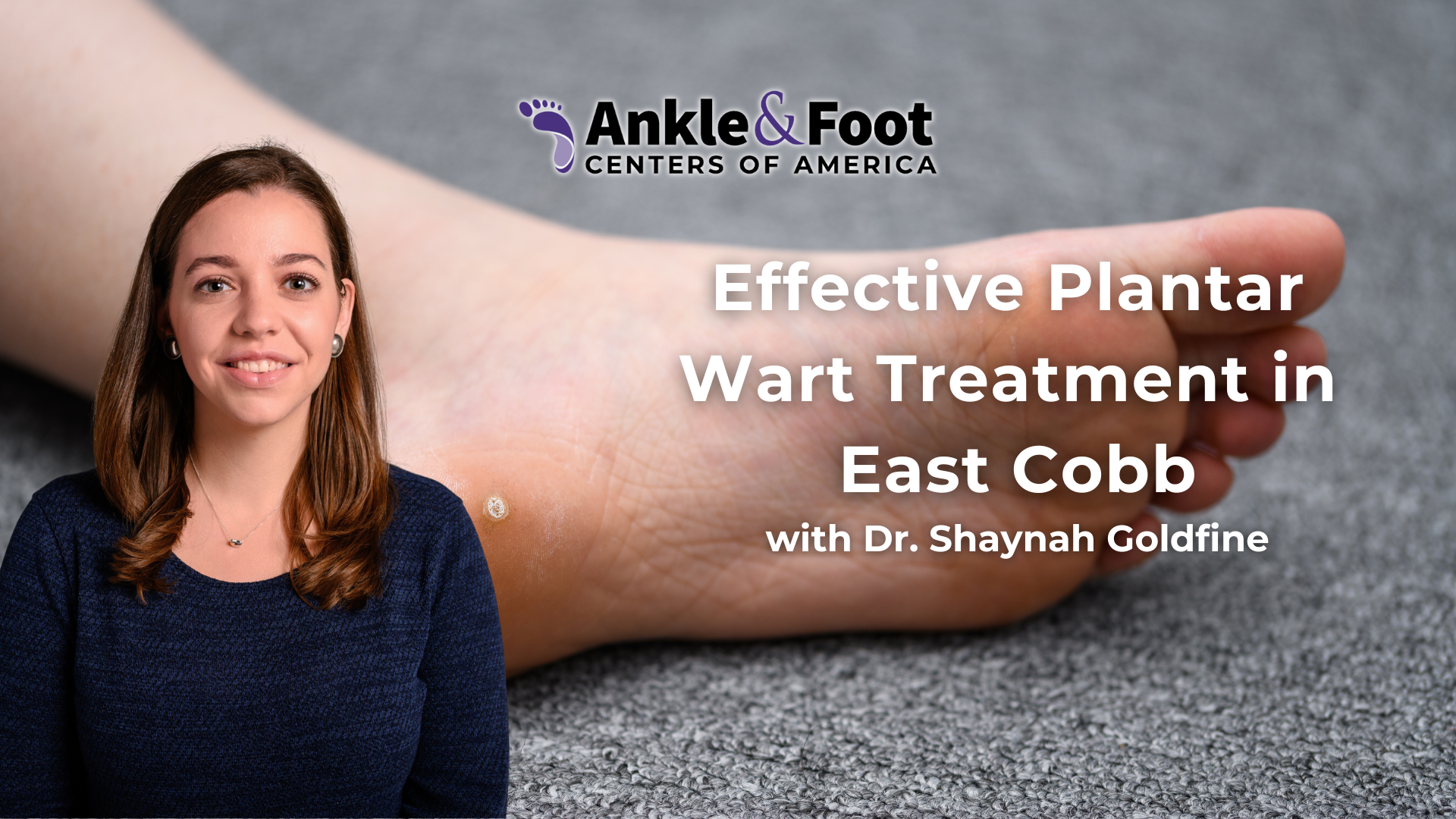
Plantar warts on feet can be more than just a cosmetic nuisance—they can cause discomfort, interfere with daily activities, and make walking or standing painful over time. Understanding what plantar warts are, how to identify them, why they develop, and when professional care is necessary can help patients find lasting relief. For those seeking plantar warts treatment in East Cobb, Dr. Shaynah Goldfine offers thorough evaluation and personalized care, using both conservative and advanced treatment options tailored to each patient’s needs.
Table of Contents
What Are Plantar Warts?
Plantar warts are small, noncancerous growths on the bottom of the feet caused by infection with certain strains of the human papillomavirus (HPV). They often appear on weight-bearing areas such as the heel or ball of the foot. The virus enters the skin through tiny cuts or abrasions, and under pressure from standing or walking, the wart can grow inward, making it feel like stepping on a pebble.
Unlike other types of warts, plantar warts can be stubborn due to the pressure exerted on them, and they sometimes develop in clusters known as mosaic warts. Their surface may have tiny black dots—small, clotted blood vessels—which help distinguish them from other skin lesions.
Symptoms of Plantar Warts
Recognizing the symptoms of plantar warts is a key step in effective treatment. Common signs include: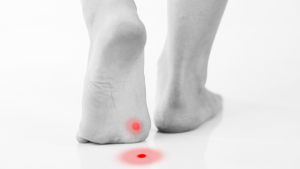
- Small, rough, grainy growths on the sole of the foot
- Pain or tenderness when walking or standing
- A feeling like there’s a small stone under the foot
- Tiny black dots on the surface of the lesion
- Thickened skin or a surrounding callus
While similar in appearance to calluses, plantar warts tend to be painful when pinched from the sides, whereas calluses are typically painful when direct pressure is applied. Calluses also usually have smooth, uniform thickened skin without the pinpoint black dots seen in warts.
Are Plantar Warts Contagious?
A common concern for patients is whether plantar warts are contagious. The HPV strains that cause plantar warts can spread, but not as easily as airborne illnesses. Transmission usually occurs through direct contact with the virus, either from another person’s wart or indirectly from warm, moist environments like locker rooms, communal showers, and around swimming pools.
In addition to public spaces, sharing socks, shoes, or towels with someone who has a wart can also transmit HPV. Because the virus thrives in wet conditions, keeping feet clean and dry and wearing foot protection in communal areas can reduce risk.
Causes of Plantar Warts
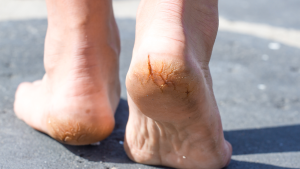 Understanding the causes of plantar warts helps patients take preventative steps. Plantar warts occur when HPV enters the skin through tiny breaks. Several factors increase the likelihood of infection:
- Walking barefoot in public or communal spaces
- Having cuts, cracks, or open skin on the feet
- Weakened immune system
- Sharing personal items like towels or shoes
- Frequent exposure to moist environments
Children and teens are statistically more prone to plantar warts, but anyone walking barefoot in communal areas or with compromised skin integrity may be at risk.
Do Plantar Warts Go Away on Their Own?
Many plantar warts can go away without intervention, but this process may take months or even years, and the wart can persist or spread during that time. Over time, the immune system may clear the virus on its own, especially in children, but waiting for spontaneous resolution can be uncomfortable and unpredictable.
For adults or people with persistent, painful, or spreading warts, professional plantar warts treatment is often the best course of action. Early care can reduce discomfort and prevent the wart from multiplying or becoming more difficult to treat.
How to Remove Plantar Warts
There are several effective plantar warts treatment options, ranging from home remedies to in-office procedures. While at-home remedies like salicylic acid applications may work for some, professional evaluation ensures proper management and reduces the risk of complications.
 Common treatment methods include:
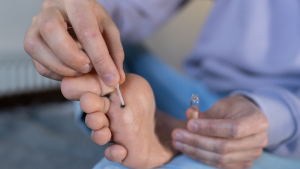 Common treatment methods include:
- Topical medications: Salicylic acid and similar formulations help soften and gradually remove wart tissue.
- Cryotherapy: Freezing the wart with liquid nitrogen can destroy infected tissue and stimulate an immune response.
- Laser therapy: Advanced options can precisely target and remove stubborn warts with minimal damage to surrounding skin.
- Surgical or professional debridement: In persistent cases, a podiatrist may carefully remove the wart under controlled conditions.
Because plantar warts can resemble other skin conditions, it’s important that a trained specialist evaluates the lesion to confirm an accurate diagnosis and recommend the best plan. Self-treatment methods like cutting or shaving the wart at home are strongly discouraged, as they can damage healthy tissue and increase risk of infection or spreading.
Plantar Wart Treatment Options in East Cobb
In East Cobb, patients seeking plantar warts treatment benefit from podiatrists who combine clinical expertise with personalized care. At Ankle & Foot Centers of America, Dr. Shaynah Goldfine provides comprehensive foot and ankle services, including effective plantar wart removal tailored to each patient’s unique case.
Patients appreciate the advanced treatment options available, ranging from conservative therapies to more precise interventions when needed. Prompt care not only alleviates pain but also helps prevent recurrence and reduces the chance of spreading within the foot or to others.

Your Next Step Toward Comfortable Feet
Plantar warts on feet are a common concern, but with the right information and timely care, they do not have to cause ongoing discomfort or frustration. By understanding the symptoms, knowing whether plantar warts are contagious, and exploring effective plantar warts treatment options, patients in East Cobb can take control of their foot health with confidence. While some plantar warts may go away on their own, many require professional care to prevent pain, spreading, or recurrence. Working with an experienced podiatrist like Dr. Shaynah Goldfine ensures a safe, effective approach to long-term relief and healthier feet.
Patients in East Cobb can schedule plantar warts treatment online or call 678-820-6320 to schedule. Prompt care can help relieve discomfort sooner and reduce the risk of plantar warts spreading or returning.