Patients who seek treatment early often experience faster improvement in heel pain. Paying attention to ongoing discomfort and seeking professional evaluation can help prevent symptoms from becoming more persistent or severe. Early care also makes it easier to identify the underlying cause of heel pain, which is important for guiding appropriate treatment and avoiding unnecessary strain on the foot over time.
For individuals exploring expert heel pain treatment in Columbus, GA, a comprehensive approach that considers foot structure, daily activity, and footwear can play an important role in long-term comfort. Tailored care and properly guided stretching and strengthening help many people manage symptoms, reduce flare-ups, and remain active with greater confidence.
Table of Contents
What Is Plantar Fasciitis?
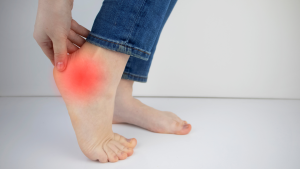
Plantar fasciitis is one of the most common sources of ongoing heel pain. The plantar fascia runs along the bottom of the foot, connecting the heel bone to the toes and helping support the arch. It also plays an important role in absorbing shock while walking and standing, which places it under constant stress.
 Over time, repeated strain can cause small tears in the plantar fascia, leading to irritation and inflammation. This explains why heel pain often feels worse first thing in the morning or after periods of rest. While sitting or sleeping, the plantar fascia tightens. Taking the first steps after rest places sudden tension on the tissue, which can trigger sharp heel pain. As the foot warms up, symptoms may ease temporarily but often return later in the day after prolonged standing or activity.
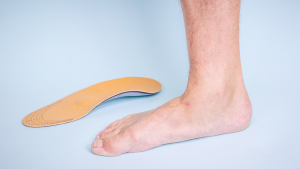
Several factors can increase the risk of developing plantar fasciitis, including spending long hours on the feet, especially on hard surfaces. Foot structure also plays an important role. Both flat feet and high arches can shift weight distribution and place additional strain on the heel. In addition, wearing unsupportive or worn-out footwear increases stress on the plantar fascia by reducing cushioning and limiting proper arch support, which can worsen symptoms over time.
Because tightness contributes to pain, plantar fasciitis stretches and heel pain stretches are often an essential part of treatment. When performed correctly, stretching helps reduce tension and supports healing.
How Exercises Help Relieve Heel Pain
Exercises play a key role in relieving heel pain because they reduce excess tension and strengthen the muscles and connective tissues of the foot and lower leg. Tight or weak structures increase stress on the heel with every step. Targeted stretching and strengthening restore balance and help the foot function more efficiently during daily activity.
Targeted exercises improve flexibility in the calf muscles and plantar fascia. Tight calves can limit ankle motion and increase pulling on the heel, making pain more noticeable—especially in the morning or after long periods of standing. By gradually loosening these areas, plantar fasciitis exercises help reduce stiffness and improve mobility.
Strengthening exercises also support the small muscles of the foot and ankle that help stabilize the arch. Better support reduces repeated strain on the plantar fascia. When done consistently, heel pain relief exercises can decrease discomfort, promote healing, and reduce the risk of symptoms returning.
Recommended Plantar Fasciitis Stretches
Stretching helps ease heel discomfort and improve flexibility in the foot and lower leg. When done correctly, plantar fasciitis stretches reduce tension and support recovery.
Calf Stretch (Wall Stretch)
Stand facing a wall with hands at shoulder height. Step one foot back, keeping the heel flat and knee straight. Bend the front knee and lean forward until a stretch is felt in the calf. Hold briefly and switch sides. This stretch reduces calf tightness that can increase strain on the heel.
Plantar Fascia Stretch
While seated, loop a towel around the ball of the foot and gently pull the toes toward the shin, or cross one foot over the opposite knee and pull the toes upward by hand. This stretch targets the plantar fascia directly and is especially helpful before getting out of bed.
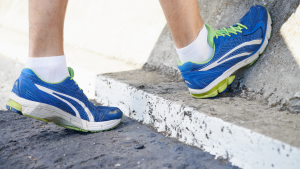 Stair Stretch
Stand on a step with the balls of the feet supported and heels hanging off the edge. Slowly lower the heels until a gentle stretch is felt, then return to the starting position. This helps reduce stiffness in the calves and heels.
Achilles Tendon Stretch
The Achilles tendon connects the calf muscles to the heel bone. Tightness here can increase tension on the plantar fascia. Stretching the Achilles helps reduce stress transferred to the heel and supports many exercises for heel pain.
Strengthening Exercises for Heel Pain
 While stretching relieves tightness, strengthening exercises improve foot stability and support long-term healing. Weak foot muscles force the plantar fascia to absorb more stress, which can prolong pain.
Towel Curls
Place a towel on the floor and use your toes to pull it toward you. This strengthens the muscles that support the arch.
Marble Pickups
Pick up small objects with your toes and place them in a container. This improves coordination and strengthens the toes and arch muscles.
Toe Raises
Slowly rise onto the balls of your feet, then lower back down. This strengthens the calves and improves ankle stability.
Arch Strengthening Exercises
Exercises that lift and hold the arch—without curling the toes—help train the foot to support itself more effectively.
When practiced consistently, these heel pain exercises help build strength, reduce strain, and support recovery. Heel pain relief exercises work best when performed regularly as part of a guided plan.
When Heel Pain Exercises Aren’t Enough
Heel pain exercises can be very effective, but they are not always enough on their own. If pain lasts more than several weeks, worsens over time, or is accompanied by swelling or limping, professional evaluation is important.
Accurate diagnosis matters because heel pain does not always have a single cause. While plantar fasciitis is common, other conditions can produce similar symptoms. Identifying the source of pain ensures treatment targets the problem effectively.
Providers may recommend additional treatment options such as custom orthotics to improve arch support and heel cushioning, supportive footwear guidance to reduce strain, anti-inflammatory treatments to calm irritation, or advanced therapies when conservative measures do not provide sufficient relief.
Why Choose Dr. Monaco for Heel Pain Care in Columbus, GA
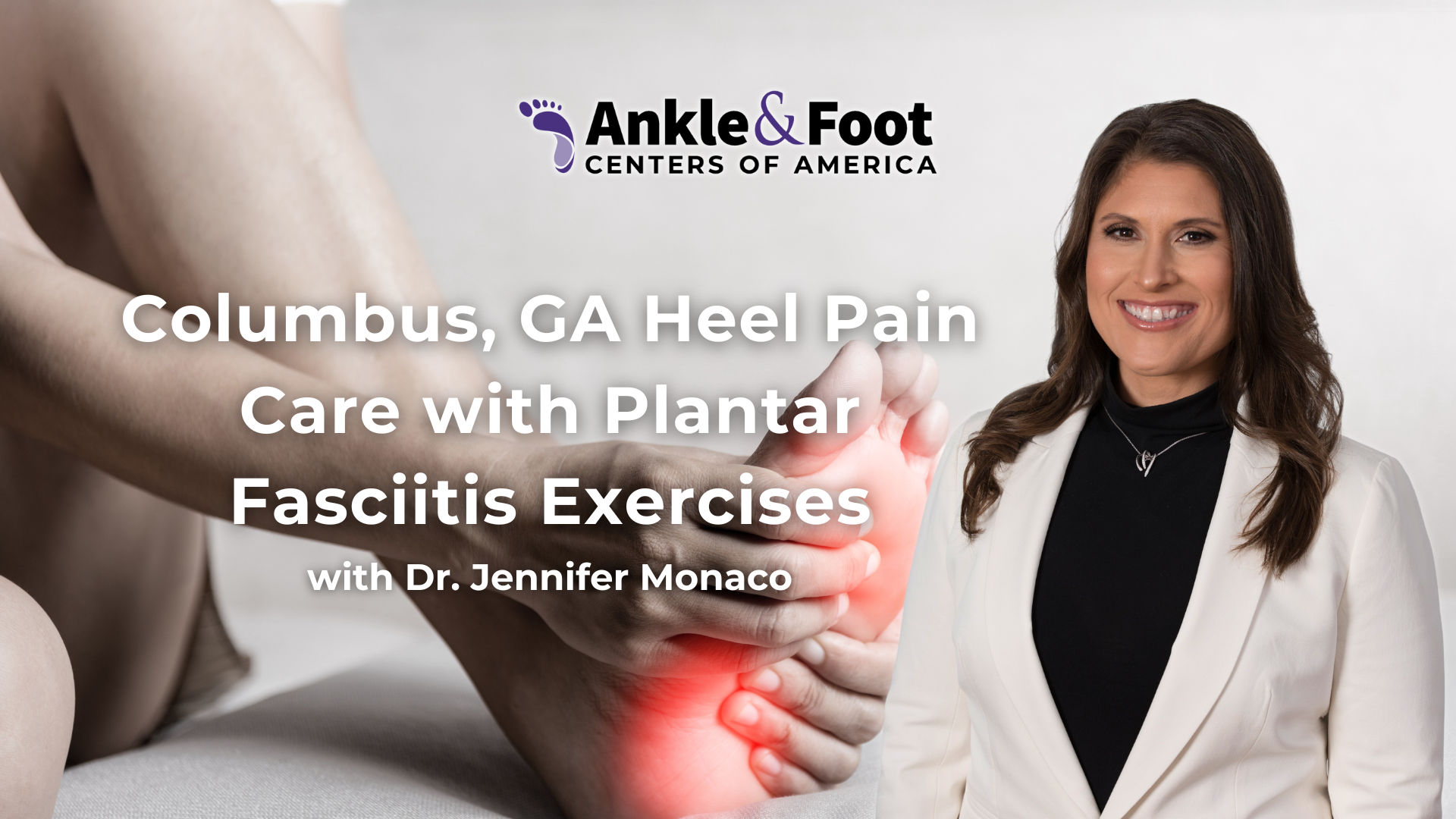
Finding lasting relief often requires care that looks beyond symptoms alone. Dr. Jennifer Monaco provides heel pain care in Columbus, GA with a personalized approach focused on understanding why pain developed in the first place.
Care begins with a comprehensive evaluation of foot alignment, walking patterns, activity level, and contributing factors such as footwear or past injuries. Treatment plans are tailored to the individual, whether symptoms are mild or more advanced.
Dr. Monaco emphasizes conservative care whenever possible, including guided exercises, stretching programs, orthotic support, and footwear recommendations. When needed, advanced treatment options are available as part of complete plantar fasciitis treatment in Columbus. The goal is long-term relief and prevention—not temporary fixes.

Preventing Future Heel Pain
Preventing heel pain often involves consistent daily habits. Supportive footwear with proper cushioning and arch support helps reduce stress on the heel. A daily stretching routine keeps the plantar fascia and calf muscles flexible, even after pain improves.
Avoiding sudden increases in activity allows the foot time to adapt and lowers the risk of reinjury. Maintaining a healthy weight also helps reduce repetitive pressure on the heels. Together, these habits can significantly reduce the chance of recurring heel pain.
Schedule Heel Pain Treatment in Columbus, GA
Heel pain often responds best when addressed early. Prompt evaluation can prevent symptoms from becoming more severe and shorten recovery time. Guided plantar fasciitis exercises are most effective when tailored to the individual, taking foot structure and daily demands into account.
Ongoing heel pain should not be ignored. With personalized care and guidance, lasting relief is possible. Patients can schedule heel pain treatment online or call 762-985-0020 to connect with the office.