Foot and ankle wounds can sometimes become more than a minor concern—especially when they do not heal properly or are complicated by infection, diabetes, or poor circulation. When left untreated, serious wounds may threaten surrounding tissue, bone, and overall limb health. That’s why early evaluation and specialized care are so important.
Advanced wound care focuses on protecting healthy tissue, reducing infection risk, and supporting the body’s natural healing process. In more complex cases, limb salvage surgery may be considered as part of a comprehensive treatment plan. The goal of this approach is to preserve function, protect mobility, and help reduce the risk of amputation whenever possible.
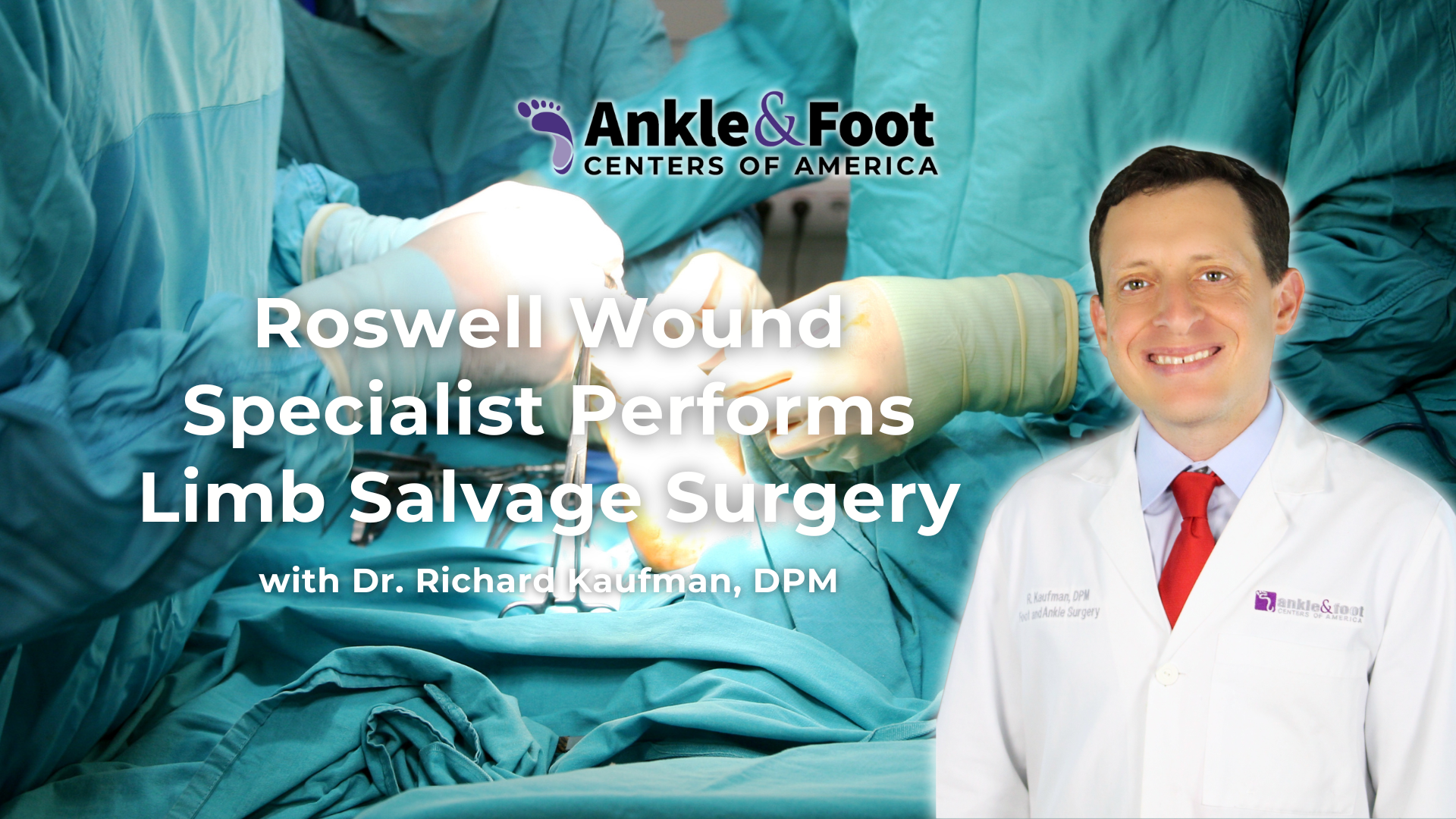
Patients facing severe or non-healing wounds benefit from working with a specialist who understands the complexities of foot and ankle health. A Roswell wound specialist performs limb salvage surgery as part of a personalized strategy designed to address the underlying cause of the wound while supporting long-term stability and mobility.
Protecting limb health requires timely attention, advanced techniques, and coordinated care—all focused on helping patients maintain their quality of life.
Table of Contents
What Is Limb Salvage Surgery?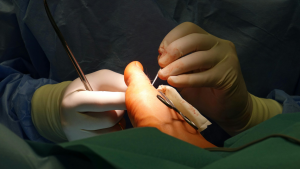
Limb salvage surgery is a specialized surgical approach focused on preserving a patient’s foot or leg when severe wounds, infections, or tissue damage threaten limb health. Rather than proceeding directly to amputation in advanced cases, limb salvage techniques aim to remove damaged tissue, control infection, and restore structural stability whenever possible.
This type of surgery is often considered for complex conditions such as advanced diabetic foot ulcers, deep infections, traumatic injuries, or wounds that have not responded to conservative treatment. In some situations, bone involvement or compromised circulation may also play a role in determining whether limb salvage procedures are appropriate.
Limb salvage surgery may involve a combination of techniques, including surgical debridement (removal of infected or nonviable tissue), stabilization of affected bones, skin grafting, or flap procedures to provide healthy tissue coverage. The specific approach depends on the severity of the wound and the patient’s overall health.
The primary goal is to preserve mobility and function while reducing the risk of further complications. A Roswell wound specialist performs limb salvage surgery as part of a comprehensive wound care plan designed to support healing and help patients maintain long-term limb stability.
Conditions That May Lead to Limb-Threatening Wounds
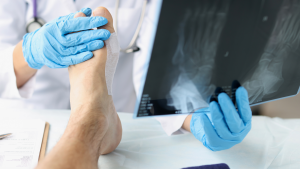
Certain medical conditions increase the risk of wounds that heal slowly or develop serious complications. When circulation, nerve function, or tissue repair becomes impaired, even a minor sore can progress into a more advanced issue.
Chronic Non-Healing Wounds
Wounds that fail to improve over time may indicate deeper tissue involvement. Ongoing open sores increase the risk of infection and structural damage. These wounds often require careful evaluation to understand why healing has stalled.
Advanced Diabetic Complications
Diabetes can affect both blood flow and nerve sensation in the feet. Reduced sensation may prevent someone from noticing an injury. At the same time, decreased circulation can slow the body’s natural healing response. Over time, untreated diabetic wounds may extend into deeper tissue layers.
Bone Infections (Osteomyelitis)
Infections sometimes spread beyond soft tissue and reach the bone. Osteomyelitis can develop from deep or long-standing wounds. Because bone infections are complex, they may significantly impact overall limb health if not addressed promptly.
Poor Circulation (Peripheral Arterial Disease)
Peripheral arterial disease (PAD) restricts blood flow to the lower extremities. Healthy circulation plays a critical role in tissue repair. When blood supply decreases, wounds may heal more slowly and face a higher risk of complications
Recurrent Ulcers
Some individuals experience repeated ulcers in the same location. Ongoing pressure, structural concerns, or chronic medical conditions may contribute to recurrence. Repeated tissue breakdown increases the likelihood of infection and deeper damage.
Advanced Techniques Used in Limb Salvage
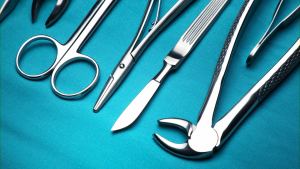
Limb salvage surgery uses advanced techniques to control infection and protect healthy tissue. The goal is to preserve structure and support healing.
Surgical Debridement
Surgical debridement removes infected or damaged tissue from the wound. This step reduces bacteria and creates a healthier environment for recovery.
Flap Procedures
Flap procedures reposition healthy tissue to cover exposed areas. These techniques improve blood flow and protect deeper structures.
Skin Grafting
Skin grafting places healthy skin over a wound to encourage closure. It helps strengthen coverage and reduce the risk of further breakdown.
Bone Stabilization
When infection or injury affects the bone, stabilization may restore alignment and support. This step helps maintain structural integrity and function.
Coordinated Care
Complex wounds often require collaboration with other specialists. Vascular and infectious disease providers may assist when needed.
A Roswell wound specialist evaluates each case carefully. The specialist selects the most appropriate techniques based on the wound’s severity and the patient’s overall health. This personalized approach focuses on protecting mobility and long-term limb stability.
The Importance of Early Evaluation
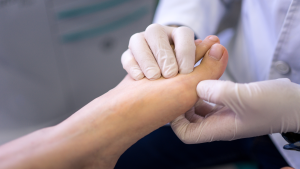
Serious foot wounds often begin with subtle changes. Mild redness, swelling, or drainage may seem minor at first. However, these symptoms can signal deeper concerns when they do not improve.
Wounds that remain open, grow larger, or develop odor may require prompt attention. Persistent pain or increasing tenderness can also indicate complications. In some cases, individuals notice warmth around the area or changes in skin color.
For patients with diabetes or circulation issues, early evaluation plays an especially important role. Reduced sensation may delay awareness of an injury. Delayed care can allow infection or tissue damage to progress.
A Roswell wound specialist performs a thorough assessment to determine the severity of the wound. Early evaluation helps guide appropriate treatment decisions and may reduce the risk of more advanced complications.
Monitoring changes and seeking professional evaluation when concerns arise supports better outcomes and long-term limb health.

Protecting Your Foot Health
Serious foot wounds should never be ignored. When healing slows or symptoms worsen, the risk of complications can increase. Early attention often plays a key role in protecting long-term limb health.
Advanced treatment options, including limb salvage surgery, may help preserve mobility in complex cases. With the right evaluation and care plan, many patients can address severe wounds while focusing on function and stability.
A Roswell wound specialist provides comprehensive assessment and personalized treatment strategies designed to support healing and reduce the risk of further complications. If you notice concerning changes in a foot wound or experience symptoms that do not improve, seeking professional evaluation can be an important step toward protecting your mobility and overall quality of life.
Schedule an appointment today with a Roswell wound specialist to have your foot evaluated and learn more about advanced wound care and limb salvage treatment options. Early action can make a meaningful difference in protecting your long-term mobility.