Mortons neuroma is a common cause of pain in the ball of the foot. Specifically, it involves irritation or thickening of tissue around one of the small nerves leading to the toes. Most often, it develops between the third and fourth toes.
At first, morton’s neuroma symptoms may seem mild. For example, you might notice occasional tingling or a burning sensation in the forefoot. However, over time, the discomfort can become more frequent and more intense.
Many people describe the feeling as if they are standing on a small pebble. Others report numbness or sharp pain that worsens in tight shoes. In many cases, removing footwear provides temporary relief.
Because several conditions can cause similar forefoot pain, proper evaluation is important. Therefore, understanding mortons neuroma early can help guide appropriate mortons neuroma treatment options and support long-term foot comfort.
Table of Contents
What Is Morton’s Neuroma?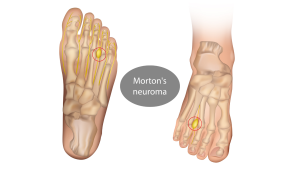
Mortons neuroma is a condition that affects a nerve in the forefoot. Specifically, it involves thickening of the tissue surrounding one of the small nerves that leads to the toes. Most often, it develops between the third and fourth toes.
Although the name sounds serious, morton’s neuroma is not a tumor. Instead, it is a response to repeated pressure or irritation on the nerve. Over time, this irritation can cause inflammation and increased sensitivity.
Several factors may contribute to mortons neuroma. For example, tight or narrow shoes can compress the forefoot. High heels may also increase pressure on the ball of the foot. In addition, certain foot structures can place extra stress on the area.
As the tissue thickens, the nerve may become more irritated. Consequently, morton’s neuroma symptoms such as burning, tingling, or numbness can develop. Recognizing the condition early may allow for more effective mortons neuroma treatment focused on relieving pressure and improving foot comfort.
Common Morton’s Neuroma Symptoms
Morton’s neuroma symptoms often develop gradually. At first, they may come and go. Over time, the discomfort can become more frequent.
Pain is usually felt in the ball of the foot. It most often occurs between the third and fourth toes. Because the condition affects a nerve, the symptoms can feel sharp or burning.
Common mortons neuroma symptoms include:
-
Burning pain in the ball of the foot
-
Tingling or numbness in the toes
-
A feeling like you are standing on a pebble
-
Discomfort that worsens in tight or narrow shoes
-
Relief when shoes are removed
Many people notice increased pain during walking or exercise. Standing for long periods can also make symptoms worse. Shoes with a narrow toe box or high heels may increase pressure on the nerve.
Several foot conditions can cause similar pain. That is why a proper evaluation is important. Identifying mortons neuroma early can help guide appropriate morton’s neuroma treatment options and support better foot comfort.
When to See a Carrollton Foot Doctor

Forefoot pain should not be ignored. In many cases, mild soreness improves with rest. However, persistent discomfort may signal something more serious.
If pain in the ball of your foot lasts more than a few weeks, it is important to seek evaluation. Likewise, if symptoms continue despite changing shoes, professional assessment may help identify the cause.
Signs Your Symptoms Should Be Evaluated
You should consider seeing a Carrollton foot doctor if you experience:
-
Persistent burning pain in the forefoot
-
Tingling or numbness in the toes
-
Pain that worsens in tight or narrow shoes
-
Symptoms that interfere with walking or exercise
-
Discomfort that repeatedly returns
In addition, increasing pain during daily activities may suggest ongoing nerve irritation. Over time, untreated mortons neuroma can lead to more consistent discomfort.
Why Early Evaluation Matters
Morton’s neuroma symptoms often resemble other foot conditions. Therefore, an accurate diagnosis is important. A thorough exam can help determine whether mortons neuroma is the underlying issue.
Early identification may also allow for more conservative morton’s neuroma treatment options. As a result, many patients experience improved comfort and better mobility.
If forefoot pain is limiting your daily routine, a Carrollton foot doctor can evaluate your symptoms and discuss appropriate mortons neuroma treatment options tailored to your needs.
Morton’s Neuroma Treatment Options

Morton’s neuroma treatment focuses on relieving pressure on the affected nerve. In many cases, early care can help reduce irritation and improve daily comfort. However, the most appropriate approach depends on the severity of morton’s neuroma symptoms.
Conservative Morton’s Neuroma Treatment
Often, treatment begins with simple, non-surgical measures. For example, changing footwear can significantly reduce pressure on the forefoot. Shoes with a wider toe box may allow the toes to spread more naturally.
In addition, padding techniques may help offload the irritated nerve. Activity adjustments can also reduce repetitive stress. When addressed early, these conservative mortons neuroma treatment strategies may help manage symptoms effectively.
Mortons Neuroma Insoles and Supportive Devices
Supportive inserts can play an important role in care. Specifically, mortons neuroma insoles are designed to reduce pressure on the ball of the foot. Many include metatarsal support to help redistribute weight.
Over-the-counter insoles for mortons neuroma may provide relief for mild symptoms. However, custom orthotics may offer more precise support. By improving foot alignment, these devices can help decrease nerve irritation.

Advanced Morton’s Neuroma Treatment
If symptoms persist despite conservative care, additional options may be considered. For instance, targeted injections may help reduce inflammation around the nerve.
In more advanced cases, surgical intervention may be discussed. This approach is typically reserved for chronic symptoms that do not respond to other mortons neuroma treatment methods.
Ultimately, the goal of morton’s neuroma treatment is to reduce nerve irritation, improve mobility, and restore comfort in daily activities.
Why Early Morton’s Neuroma Treatment Matters
Early morton’s neuroma treatment can make a meaningful difference in long-term comfort. At first, morton’s neuroma symptoms may seem mild or occasional. However, without intervention, nerve irritation can gradually worsen.
As pressure on the nerve continues, the surrounding tissue may thicken further. Consequently, pain may become more frequent and more intense. What once felt like mild tingling can develop into persistent burning or numbness.
In addition, untreated mortons neuroma may begin to affect daily movement. For example, you might change the way you walk to avoid discomfort. Over time, this compensation can place extra stress on other areas of the foot.
Early mortons neuroma treatment focuses on reducing pressure and calming irritation before symptoms progress. Therefore, timely evaluation may allow for more conservative care options.
Most importantly, addressing morton’s neuroma symptoms early may help preserve mobility and improve overall foot comfort.
Relief from Morton’s Neuroma in Carrollton
Mortons neuroma can cause persistent discomfort in the ball of the foot. However, with proper evaluation, symptoms can be identified and addressed early. Recognizing morton’s neuroma symptoms such as burning, tingling, or numbness is the first step toward relief.
Fortunately, several morton’s neuroma treatment options are available. From footwear changes and mortons neuroma insoles to more advanced interventions, care can be tailored to your specific needs. As a result, many patients experience improved comfort and better mobility.
If forefoot pain is interfering with your daily activities, it may be time to seek professional evaluation. A Carrollton foot doctor can assess your symptoms and determine whether mortons neuroma treatment is appropriate.
Early care can help reduce nerve irritation and support long-term foot health. Schedule an appointment today to discuss treatment options and take the next step toward relief from mortons neuroma in Carrollton.