Achilles tendonitis is a painful and often limiting condition that affects people of all activity levels. From runners and athletes to individuals who spend long hours on their feet, strain on the Achilles tendon can quickly interfere with daily life. This large tendon, which connects the calf muscles to the heel bone, plays a critical role in walking, running, and balance. When it becomes irritated or inflamed, even simple movements can cause discomfort.
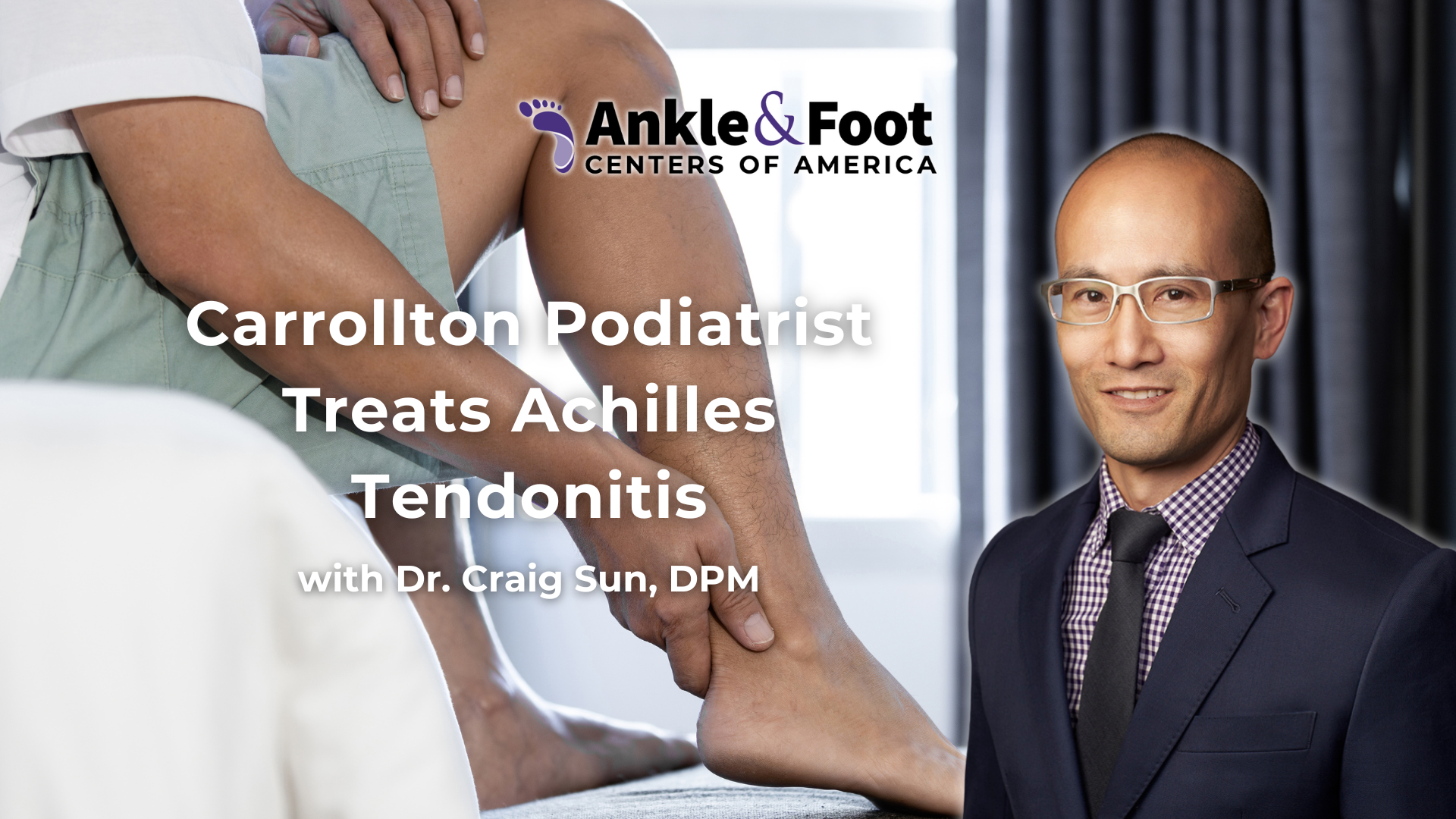
For patients seeking expert Achilles tendonitis treatment in Carrollton, Georgia, Dr. Craig Sun, a trusted podiatrist with Ankle & Foot Centers of America, provides advanced, personalized care designed to restore mobility and reduce pain. His approach focuses not only on relieving symptoms but also on identifying the underlying causes of Achilles tendonitis to help prevent future problems.
Table of Contents
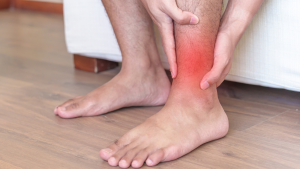 What Is Achilles Tendonitis?
Achilles tendonitis occurs when the Achilles tendon becomes inflamed due to repetitive stress or overuse. This condition typically develops gradually and may worsen if left untreated. Many patients first notice stiffness in the back of the ankle, especially in the morning or after periods of rest. As the condition progresses, pain may increase during activity and linger afterward.
Understanding what causes Achilles tendonitis is an important step in effective treatment. Common causes include sudden increases in physical activity, running on uneven surfaces, wearing unsupportive footwear, or failing to stretch properly before exercise. Tight calf muscles can also place extra strain on the tendon, increasing the risk of inflammation. In some cases, biomechanical issues such as flat feet or abnormal gait patterns contribute to ongoing stress on the Achilles tendon.
 When to Seek Professional Care
 When to Seek Professional Care
While mild soreness may improve with rest, persistent or worsening pain should not be ignored. Without proper care, Achilles tendonitis can progress to more severe tendon damage, increasing the risk of long-term weakness or even tendon rupture. Early evaluation by a podiatrist allows for accurate diagnosis and timely intervention, reducing the likelihood of complications.
Dr. Sun emphasizes early treatment and patient education. By addressing symptoms promptly and tailoring care to everyone, he helps patients avoid prolonged discomfort and unnecessary limitations in activity.
Personalized Achilles Tendonitis Treatment in Carrollton
Effective Achilles tendonitis treatment begins with a comprehensive evaluation. Dr. Sun carefully reviews each patient’s medical history, activity level, and symptoms before performing a detailed foot and ankle examination. This thorough approach allows him to determine the severity of the condition and identify contributing factors.
Most cases of Achilles tendonitis respond well to non-surgical care. Treatment plans may include activity modification to reduce strain on the tendon, along with targeted therapies to promote healing. Supportive footwear and custom orthotics may be recommended to improve alignment and reduce pressure on the Achilles tendon during walking and standing.
In addition, inflammation control is an important component of care. Ice therapy and other conservative measures are often used to help relieve pain and swelling while the tendon heals.
 The Role of Stretches for Achilles Tendonitis
 The Role of Stretches for Achilles Tendonitis
Stretching plays a key role in recovery and long-term tendon health. Stretches for Achilles tendonitis are designed to gently lengthen the calf muscles and reduce tension on the tendon itself. When performed correctly and consistently, stretching can improve flexibility and help prevent future flare-ups.
Common stretches often recommended include standing calf stretches, seated towel stretches, and gentle ankle mobility exercises. These movements are typically introduced gradually and adjusted based on the patient’s comfort level. Dr. Sun ensures that each patient understands how to perform stretches safely to avoid further irritation.
Achilles Tendonitis Exercises for Strength and Stability
In addition to stretching, Achilles tendonitis exercises that focus on strengthening are essential for long-term recovery. Strengthening the calf muscles and surrounding structures helps support the tendon and improves overall ankle stability.
Eccentric exercises, which involve controlled lengthening of the muscle while under load, are often incorporated into treatment plans. These exercises have been shown to be particularly effective in improving tendon resilience and reducing pain over time. Balance and stability exercises may also be included to address biomechanical issues and reduce the risk of recurrence.
Dr. Sun carefully monitors progress and adjusts exercise recommendations as healing progresses, ensuring that patients build strength safely and effectively.
How to Treat Achilles Tendonitis Long Term
Learning how to treat Achilles tendonitis extends beyond addressing immediate symptoms. Long-term success depends on identifying contributing factors and making appropriate lifestyle adjustments. This may include changes in training routines, footwear selection, or daily habits that place stress on the tendon.
Dr. Sun works closely with patients to provide guidance on injury prevention, proper warm-up routines, and gradual return to activity. His goal is not only to relieve pain but also to help patients maintain healthy foot and ankle function over time.

Trusted Care in Carrollton, Georgia
Achilles tendonitis can be frustrating and disruptive, but expert care can make a meaningful difference. Through personalized treatment plans, patient education, and a focus on long-term outcomes, Dr. Sun helps patients in Carrollton find lasting relief and regain confidence in their movement.
Whether symptoms are mild or more advanced, early evaluation and appropriate care can reduce downtime and support a full recovery. Patients seeking comprehensive, expert care are encouraged to call 770-838-4151 or schedule online for professional Achilles tendonitis treatment in Carrollton, Georgia.