
A painful bunion can make everyday activities like walking, exercising, or wearing your favorite shoes increasingly uncomfortable. While conservative treatments may help manage symptoms, a bunion is a structural problem that can sometimes require surgical correction when pain and limitations persist.
At Ankle & Foot Centers of America, our East Cobb foot surgeon offers bunion surgery for patients looking for long-term correction of painful bunion deformities. Depending on the severity of the bunion and the structure of the foot, treatment may include traditional techniques or minimally invasive bunion surgery using smaller incisions and specialized surgical methods.
If bunion pain is interfering with your daily routine, understanding your surgical options, expected bunion surgery recovery, and what the procedure involves can help you have a more informed conversation with your foot and ankle surgeon.
Table of Contents
What Is Bunion Surgery?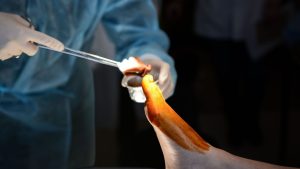
Bunion surgery is a procedure used to correct the structural changes that cause a bunion to develop at the base of the big toe. Rather than simply removing the visible bump, surgery focuses on improving the alignment of the bones and joint to address the underlying deformity.
There are several approaches to bunion correction, and the procedure used depends on factors such as the severity of the bunion, the position of the bones, joint health, and the patient’s individual needs. Before recommending surgery, a foot surgeon may perform a physical examination and use X-rays to better understand the structure and alignment of the foot.
For some patients, minimally invasive bunion surgery may be an option. This approach uses smaller incisions and specialized instruments to correct the deformity while limiting disruption to surrounding tissues. A foot surgeon can determine whether traditional or minimally invasive surgery is more appropriate based on the individual bunion.
When Is Bunion Surgery Recommended?
Bunion surgery may be considered when a bunion causes ongoing pain or begins to interfere with walking, footwear, exercise, or other everyday activities. Surgery is generally not recommended based on the appearance of a bunion alone. Instead, a foot surgeon considers the patient’s symptoms, the severity of the deformity, and how much the condition affects daily life.
Before discussing surgery, patients may try conservative treatment options designed to reduce discomfort and pressure around the affected joint. If symptoms continue despite these measures, a surgical evaluation may help determine whether correcting the underlying deformity is appropriate.
A foot surgeon may discuss bunion surgery when a patient experiences:
- Persistent or worsening pain around the big toe joint
- Difficulty finding comfortable shoes
- Pain that limits walking, exercise, or daily activities
- Increasing stiffness or reduced movement in the big toe
- A bunion deformity that continues to progress
- Symptoms that have not improved enough with conservative care
An evaluation, which may include X-rays, allows the surgeon to examine the position of the bones and joints and determine which treatment options may be appropriate. If surgery is being considered, the surgeon can also discuss whether traditional or minimally invasive bunion surgery may be suitable for the patient’s specific condition.
What Is Minimally Invasive Bunion Surgery?
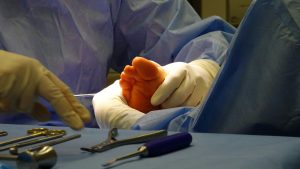
Minimally invasive bunion surgery is a surgical approach used to correct a bunion through smaller incisions than those typically used in traditional open surgery. Also known as MIS bunion surgery, this technique allows the foot surgeon to realign the bones and correct the underlying deformity using specialized instruments.
During the procedure, the surgeon works through small incisions to make precise corrections to the bones of the foot. Depending on the type and severity of the bunion, the corrected bones may be stabilized with screws or other fixation methods while they heal in their new position.
Because minimally invasive techniques are designed to limit disruption to surrounding soft tissues, some patients may experience benefits during the recovery process. However, minimally invasive bunion surgery is not appropriate for every bunion, and recovery still requires time for the bones and tissues to heal.
An evaluation with an East Cobb foot surgeon can help determine whether MIS bunion surgery or another type of bunion correction is appropriate based on the patient’s symptoms, foot structure, X-rays, and overall treatment goals.
Is Bunion Surgery Worth It?
For patients dealing with persistent pain or limitations from a bunion, bunion surgery may be worth considering when conservative treatments are no longer providing enough relief. The decision depends on how much the bunion affects daily activities, footwear, mobility, and overall comfort.
The goal of bunion surgery is to correct the underlying structural deformity rather than simply remove the visible bump. For some patients, correcting the alignment of the foot can help address pain and improve function. However, surgery also involves a period of recovery, follow-up care, and temporary activity restrictions while the foot heals.
When deciding whether bunion surgery is worth it, patients should consider factors such as the severity of their symptoms, the progression of the bunion, expected recovery, and their personal activity goals. The potential benefits and risks can also vary depending on whether traditional or minimally invasive bunion surgery is recommended.
An East Cobb foot surgeon can evaluate the bunion, review X-rays, and discuss the available treatment options. This allows patients to understand what surgery may involve and make an informed decision based on their individual condition and goals.
Choosing the Right Bunion Surgery for Your Foot

There is no single type of bunion surgery that is right for every patient. Bunions can vary in severity, and the position of the bones, condition of the big toe joint, symptoms, and overall foot structure can all influence which surgical approach may be considered.
During an evaluation, a foot surgeon will examine the foot and may take X-rays to better understand the extent of the deformity. This information helps determine how the bones should be realigned and whether traditional surgery or minimally invasive bunion surgery may be appropriate.
The surgeon will also consider factors such as activity level, overall health, lifestyle, and recovery goals when developing a surgical plan. Patients should have an opportunity to discuss the recommended procedure, potential risks and benefits, and expected bunion surgery recovery time before deciding how to move forward.
Choosing the right procedure starts with a thorough evaluation. An East Cobb foot surgeon can explain the available options and develop a treatment plan based on the specific needs of your foot.

Schedule a Bunion Surgery Consultation in East Cobb
If bunion pain is making it difficult to walk comfortably, stay active, or wear the shoes you want, it may be time to have your foot evaluated. Understanding the severity of the bunion and the available treatment options is an important first step toward finding the right approach for your needs.
At Ankle & Foot Centers of America, our East Cobb foot surgeon provides comprehensive bunion evaluations and personalized treatment plans. Depending on your symptoms and foot structure, treatment may include conservative options, traditional bunion surgery, or minimally invasive bunion surgery.
If you are considering bunion surgery and have questions about the procedure, recovery, or which approach may be appropriate for you, our East Cobb team is here to help. Schedule online today to meet with an East Cobb foot surgeon and learn more about your bunion treatment options.