
Achilles tendon pain can make simple daily activities feel challenging. Walking, climbing stairs, exercising, or standing for extended periods may become uncomfortable when the Achilles tendon becomes irritated. As the largest tendon in the body, the Achilles tendon absorbs significant stress every day, making it vulnerable to overuse injuries and inflammation.
Many patients first notice stiffness in the back of the ankle when getting out of bed in the morning. Others experience soreness during or after physical activity. While symptoms can range from mild to severe, addressing Achilles tendonitis early often helps prevent the condition from becoming a long-term problem.
One of the most effective conservative approaches to recovery involves a combination of strengthening exercises, stretching, activity modification, and supportive footwear. The right exercises can help improve tendon function, restore flexibility, and reduce strain on the injured tissue. When combined with a personalized treatment plan, these strategies may help patients return to their normal activities with greater comfort and confidence.
Patients experiencing persistent heel or ankle pain may benefit from seeking professional evaluation and treatment. Dr. Paris Peyton provides personalized Achilles tendonitis treatment in Roswell, helping patients address the underlying cause of symptoms and develop a recovery plan focused on improving mobility, reducing pain, and supporting long-term tendon health.
Table of Contents
What Is Achilles Tendonitis?
Achilles tendonitis develops when repetitive stress causes irritation and inflammation within the Achilles tendon. This thick band of tissue connects the calf muscles to the heel bone and plays a critical role in nearly every movement involving the foot and ankle.
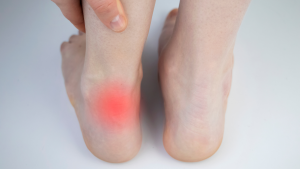 Every time a person walks, runs, climbs stairs, or rises onto their toes, the Achilles tendon helps transfer force from the calf muscles to the foot. Because of this constant workload, the tendon can become overloaded when stress exceeds its ability to recover.
Several factors may contribute to Achilles tendonitis, including:
- Sudden increases in physical activity
- Running or jumping sports
- Tight calf muscles
- Poor footwear choices
- Flat feet or high arches
- Long periods of standing
- Inadequate recovery between workouts
Symptoms often include pain along the back of the heel, stiffness in the morning, swelling near the tendon, and discomfort that worsens during physical activity. Without proper treatment, symptoms may gradually become more persistent and interfere with normal movement.
Why Exercise Matters During Recovery
Many patients assume complete rest is the best solution for tendon pain. While reducing aggravating activities is important, prolonged inactivity can sometimes slow recovery by contributing to muscle weakness and reduced flexibility.
Carefully selected Achilles tendonitis exercises help restore strength throughout the lower leg while encouraging healthy tendon adaptation. As the muscles surrounding the ankle become stronger, they can better support the tendon during daily activities.
Stretching also plays an important role. Tight calf muscles frequently increase tension on the Achilles tendon, making flexibility an essential part of recovery. Combining strengthening exercises with stretching often provides the best results.
Consistency is key. Gradual progression allows the tendon to tolerate increasing loads without becoming overwhelmed. Patients who follow a structured exercise program often experience improvements in mobility, strength, and overall function over time.
Achilles Tendonitis Exercises That May Help
Calf Raises
Calf raises are one of the most commonly recommended exercises for Achilles tendonitis recovery. This simple movement strengthens the calf muscles, which directly support the Achilles tendon.
To perform the exercise:
- Stand with feet shoulder-width apart.
- Slowly rise onto the balls of the feet.
- Pause briefly at the top.
- Lower the heels in a controlled manner.
As strength improves, patients may progress to single-leg calf raises to further challenge the tendon and surrounding muscles.
Eccentric Heel Drops
Eccentric loading exercises have become a cornerstone of many Achilles tendon rehabilitation programs.
To perform an eccentric heel drop:
- Stand on a step with the heels hanging off the edge.
- Rise onto both toes.
- Shift weight to the affected side.
- Slowly lower the heel below the step level.
This controlled lowering phase places beneficial stress on the tendon and may help improve strength and resilience over time.
Seated Heel Raises
For patients who are not yet comfortable performing standing exercises, seated heel raises offer a lower-impact alternative.
While seated, lift the heels off the floor while keeping the toes planted. This exercise strengthens the calf muscles without placing full body weight on the injured tendon, making it particularly useful during the early stages of recovery.
Resistance Band Exercises
Resistance bands provide gentle strengthening for the muscles that stabilize the ankle.
Common movements include:
- Pointing the foot downward
- Pulling the foot upward
- Moving the foot inward
- Moving the foot outward
These exercises help improve ankle stability while promoting more efficient movement patterns that reduce stress on the Achilles tendon.
 Stretches for Achilles Tendonitis
 Stretches for Achilles Tendonitis
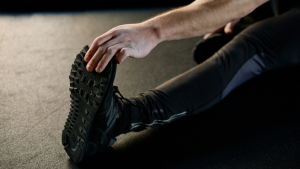
Stretching can help improve flexibility and reduce excessive tension on the tendon. Many patients find stretching especially helpful in the morning when stiffness tends to be most noticeable.
Standing Calf Stretch
The standing calf stretch targets the large gastrocnemius muscle in the upper calf.
Place both hands against a wall and step one foot behind the other. Keeping the back leg straight and the heel on the ground, gently lean forward until a stretch is felt in the calf.
Regular stretching may help improve flexibility and support better ankle mobility.
Wall Stretch
A wall stretch allows both the Achilles tendon and calf muscles to lengthen simultaneously.
With the affected foot positioned behind the body, gently lean into a wall while keeping the heel planted. This stretch can help decrease tension throughout the back of the lower leg.
Towel Stretch
The towel stretch is often useful for patients who have difficulty standing comfortably.
While sitting with the leg extended, wrap a towel around the ball of the foot and gently pull toward the body. This stretch provides a controlled way to lengthen the calf muscles and Achilles tendon without placing weight on the leg.
Soleus Stretch
The soleus muscle lies deeper within the calf and is frequently overlooked during stretching routines.
To target this muscle, perform a calf stretch while slightly bending the back knee. This adjustment allows the stretch to reach deeper tissues that may contribute to Achilles tendon tightness.
Activities That May Slow Recovery
Although exercise is beneficial, certain activities can aggravate symptoms during the healing process.
Patients often need to temporarily reduce or avoid:
- Running
- Sprinting
- Jumping
- High-impact sports
- Sudden directional changes
- Repetitive uphill training
Returning to these activities too quickly may increase irritation and delay healing. Gradually increasing activity levels under professional guidance can help reduce the risk of setbacks and recurring symptoms.
Choosing the Best Shoes for Achilles Tendonitis
Footwear plays a significant role in Achilles tendon health. Unsupportive shoes can increase strain on the tendon and contribute to ongoing discomfort.
When selecting the best shoes for Achilles tendonitis, patients should look for:
- Adequate cushioning
- Proper arch support
- A stable heel counter
- Good shock absorption
- A comfortable fit
Supportive footwear can help improve alignment and reduce stress placed on the tendon throughout the day.
For some individuals, custom orthotics may provide additional benefits. By addressing underlying biomechanical issues, orthotics can improve foot function and reduce repetitive strain on the Achilles tendon.
Additional Treatment Options
While exercises and stretching are often central components of treatment, additional therapies may be beneficial depending on the severity of symptoms.
Common treatment options include:
Activity Modification
Reducing activities that trigger pain allows the tendon time to recover while still maintaining overall fitness through lower-impact alternatives.
Physical Therapy
Physical therapy programs often focus on strengthening, flexibility, balance, and movement mechanics. A structured rehabilitation plan may help accelerate recovery while reducing the likelihood of future injury.
Anti-Inflammatory Care
Ice therapy, anti-inflammatory medications, and other conservative treatments may help reduce pain and swelling during the recovery process.
Custom Orthotics
 Custom Orthotics
Custom orthotics may improve alignment and help distribute pressure more evenly throughout the foot and ankle, reducing stress on the Achilles tendon.
How Long Does Achilles Tendonitis Last?
One of the most common questions patients ask is, “How long does Achilles tendonitis last?”
Recovery timelines vary significantly from one patient to another. Mild cases may improve within several weeks, while more persistent cases can require several months of treatment and rehabilitation.
Several factors influence recovery, including:
- Severity of the injury
- Duration of symptoms
- Activity level
- Overall health
- Consistency with treatment
- Footwear choices
- Compliance with exercises and stretching
Patients who begin treatment early often experience faster improvement than those who delay care. Continuing to exercise through significant pain can prolong recovery and increase the risk of further tendon damage.
When Achilles Tendon Pain Should Be Evaluated
Occasional soreness after exercise is common, but persistent Achilles tendon pain should not be ignored.
Patients should seek professional evaluation when:
- Pain lasts longer than several weeks
- Symptoms continue to worsen
- Walking becomes difficult
- Swelling develops
- Weakness is present
- Pain repeatedly returns after activity
Without treatment, chronic Achilles tendonitis may increase the risk of tendon degeneration or even tendon rupture. Early intervention often leads to better outcomes and may help patients avoid more extensive treatment later.

Why Patients Choose Dr. Paris Peyton for Achilles Tendonitis Treatment in Roswell
Patients seeking Achilles tendonitis treatment in Roswell benefit from individualized care focused on identifying the underlying cause of symptoms rather than simply treating pain.
Dr. Paris Peyton performs thorough evaluations to assess tendon health, biomechanics, activity levels, and contributing risk factors. Based on these findings, treatment plans are customized to help reduce inflammation, improve mobility, and support long-term recovery.
From conservative therapies and exercise recommendations to advanced treatment options, when necessary, patients receive comprehensive care designed to help them return to comfortable movement and the activities they enjoy.
Schedule an Appointment for Achilles Tendonitis Treatment
Achilles tendon pain can affect daily routines, exercise habits, and overall quality of life. Early evaluation can help identify the cause of symptoms and determine the most effective treatment options before the condition becomes more difficult to manage.
Dr. Paris Peyton provides personalized care for patients experiencing Achilles tendon injuries and chronic heel pain. Through comprehensive evaluation and customized treatment plans, patients receive the support they need to recover safely and regain confidence in their movement.
Call 770-992-9980 to schedule an appointment or schedule your Achilles tendonitis treatment appointment online at your convenience.