Heel pain in kids is a common condition that can affect children of all ages, especially those who participate in sports and other physical activities. Whether your child enjoys running, soccer, basketball, dance, or simply staying active, ongoing heel pain can make it difficult to participate comfortably in everyday activities. In some cases, kids heel pain may even interfere with walking, school activities, and recreational play.
While occasional foot discomfort can occur after a busy day of activity, persistent heel pain in kids should not be ignored. Continued pain may indicate an underlying condition that requires evaluation and treatment by a foot specialist. Early diagnosis can help prevent symptoms from worsening and help children return to their normal routines more quickly.
At Ankle & Foot Centers of America in Acworth, our team provides comprehensive heel pain pediatrics care for children and adolescents experiencing heel discomfort. Through a thorough evaluation and personalized treatment plan, we work to identify the cause of your child’s symptoms and recommend the most appropriate heel pain in kids treatment to support healthy growth, improved mobility, and long-term foot health.
Table of Contents
Common Causes of Kids Heel Pain
There are several causes of kids heel pain. Common causes include growth-related conditions, overuse injuries, sports activities, and improper footwear. Because children’s feet are still developing, increased physical activity can place extra stress on the heel and surrounding structures. Identifying the source of heel pain in kids is an important step toward finding the right treatment.
One of the most common causes of heel pain in children is Sever’s disease. This condition irritates the growth plate in the heel and commonly affects active children during periods of rapid growth. Children who participate in sports that involve running and jumping often face a higher risk.
Overuse injuries can also lead to heel pain. Repetitive activities such as soccer, basketball, gymnastics, dance, and track place ongoing stress on the heel. Children who suddenly increase their activity level may develop symptoms more quickly.
Footwear can also play a role. Shoes that lack proper support or cushioning may increase pressure on the heel during daily activities and sports. Certain foot structures, including flat feet and high arches, can further contribute to heel discomfort.
Because several conditions can cause pediatric heel pain, parents should not ignore persistent symptoms. A podiatrist can determine the cause of the pain and recommend the most appropriate treatment plan. Early diagnosis can help children return to their normal activities safely and comfortably.
Why Does My Child’s Heel Hurt?
Many parents ask, “Why does my child’s heel hurt?” Heel pain can develop for several reasons, including growth-related conditions, overuse injuries, and stress placed on the heel during sports and physical activities. While some children may only experience mild discomfort, others may develop symptoms that interfere with walking, running, and everyday activities.
Recognizing the signs of heel pain early can help parents determine when it is time to seek professional evaluation.
Signs and Symptoms Parents Should Watch For
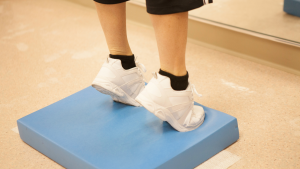
One of the most common symptoms is pain at the back or bottom of the heel. Children may complain that their heel hurts during or after physical activity, especially sports that involve running and jumping.
Some children may begin limping or develop an altered walking pattern to avoid placing pressure on the painful heel. This change in gait can sometimes lead to additional discomfort in other areas of the foot or leg.
Pain during sports or physical activity is another common warning sign. Children may have difficulty participating in practices, games, or recreational activities that they previously enjoyed without discomfort.
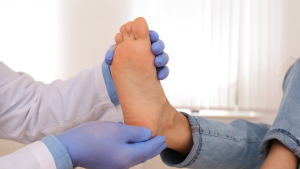
Tenderness when squeezing the heel is often associated with growth plate irritation, such as Sever’s disease. Parents may notice that the heel is sensitive to touch or that their child reacts when pressure is applied to the sides of the heel.
Stiffness after rest is also common. Children may experience discomfort when getting out of bed in the morning or after sitting for an extended period before becoming active again.
If your child continues to experience these symptoms, a podiatric evaluation can help determine the cause of the pain and identify the most appropriate treatment plan.
When Should a Child See a Foot Doctor for Heel Pain?
Minor foot soreness can sometimes occur after sports or physical activity. However, persistent heel pain should not be ignored. If your child’s symptoms last more than a few days, it may be time to schedule an evaluation with a podiatrist in Acworth, GA.
Children who experience recurring heel pain may have an underlying condition that requires treatment. Pain that affects sports, walking, or other daily activities should be evaluated as soon as possible. Without proper care, symptoms may worsen over time.
Parents should also watch for swelling, redness, bruising, or significant tenderness around the heel. These symptoms may indicate a more serious injury or condition.
At Ankle & Foot Centers of America in Acworth, we provide expert heel pain in kids treatment and comprehensive pediatric foot care. If you are looking for treatment for kids with heel pain in Acworth, GA, our team can identify the cause of your child’s symptoms and develop a personalized treatment plan. Early treatment often helps relieve discomfort, prevent complications, and allow children to return to their normal activities more quickly.
Heel Pain in Kids Treatment Options
The most effective heel pain in kids treatment depends on the underlying cause of the condition. After a thorough evaluation, a podiatrist can develop a personalized treatment plan designed to relieve pain, reduce inflammation, and help your child return to normal activities safely.
In many cases, treatment begins with activity modification. Reducing high-impact activities for a period of time can help decrease stress on the heel and allow irritated tissues to heal. Stretching exercises may also be recommended to improve flexibility in the calf muscles and Achilles tendon, which can reduce tension on the heel.
Supportive footwear is another important part of treatment. Shoes with proper cushioning and arch support can help absorb shock and reduce pressure on the heel during walking, running, and sports activities. For some children, custom orthotics may be recommended to improve foot function and address biomechanical issues that contribute to heel pain.
Additional treatment options may include heel cups or padding to provide extra cushioning and comfort. When appropriate, anti-inflammatory treatments may be used to help manage pain and swelling. Physical therapy may also be recommended to improve strength, flexibility, and overall foot mechanics.
Treating Sever’s Disease in Children
Sever’s disease is one of the most common causes of heel pain in children and adolescents. Fortunately, it typically responds well to conservative treatment. The primary goal is to reduce stress on the growth plate located at the back of the heel.
Treatment often includes temporary activity modification, stretching exercises, supportive footwear, and the use of heel cups or orthotics. These measures help reduce strain on the heel while allowing the growth plate to recover.
Recovery times can vary depending on the child’s age, activity level, and severity of symptoms. Many children experience significant improvement within several weeks to a few months when they follow their recommended treatment plan. Early intervention can help relieve discomfort and reduce the risk of recurring symptoms during future growth spurts.

Get Relief for Your Child’s Heel Pain
If your child continues to experience heel pain, it is important to have the condition evaluated by a foot specialist. While some cases of heel pain in kids improve with rest and activity modification, persistent symptoms may signal an underlying condition that requires professional care.
At Ankle & Foot Centers of America our team provides comprehensive pediatric foot care and heel pain in kids treatment for children and adolescents. Through a thorough examination and personalized treatment plan, we identify the source of your child’s discomfort and recommend solutions that help relieve pain and support healthy foot development.
If you’ve been asking, “Why does my child’s heel hurt?” don’t wait for the symptoms to worsen. Early diagnosis and treatment can help your child return to sports, school activities, and everyday life with greater comfort and confidence.
Schedule an appointment today to learn more about pediatric heel pain treatment options and how our team can help your child find lasting relief.
Frequently Asked Questions About Heel Pain in Kids
What is the most common cause of heel pain in kids?
One of the most common causes of heel pain in kids is Sever’s disease, also known as calcaneal apophysitis. This condition irritates the growth plate in the heel and commonly affects active children during periods of rapid growth.
Can growing pains cause heel pain?
While growing pains typically affect the legs, growth-related conditions can contribute to heel pain. Sever’s disease is a common example of a growth-related condition that causes heel discomfort in children and adolescents.
How long does heel pain in kids treatment take?
Recovery time varies depending on the cause and severity of the condition. Many children begin to feel better within a few weeks of starting treatment, while others may require several months for symptoms to fully resolve.
Should my child stop playing sports if their heel hurts?
Not necessarily. However, reducing or modifying activities may be recommended if sports are making the pain worse. A podiatrist can determine the safest activity level based on your child’s condition and symptoms.
When should I worry about my child’s heel pain?
You should schedule an evaluation if your child’s heel pain lasts more than a few days, returns frequently, causes limping, or limits participation in sports and daily activities. You should also seek medical attention if swelling, redness, or significant tenderness develops around the heel. Prompt evaluation and treatment can help relieve pain, prevent complications, and support a quicker recovery.