Table of Contents
Symptoms and Risks of Leg Ulcers
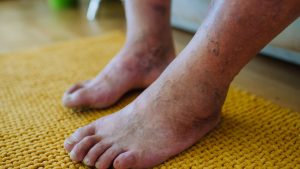 Recognizing the early signs of a leg ulcer can make a significant difference in treatment and recovery. Common symptoms include open sores that may ooze or crust, swelling in the lower legs or ankles, and skin discoloration, often appearing red, brown, or purplish. Some patients also notice tenderness, warmth, or a persistent heaviness in the affected leg. Paying attention to these warning signs is crucial, as early intervention can prevent the ulcer from worsening.
If left untreated, leg ulcers can lead to serious complications. The open wound may become infected, increasing the risk of cellulitis or other skin infections. In severe cases, prolonged ulcers can damage underlying tissues, including muscles and bones, which may require more intensive medical care. Chronic ulcers can also cause ongoing pain, making it difficult to maintain normal daily routines.
Leg ulcers often impact mobility and quality of life. Simple activities such as walking, standing, or exercising can become uncomfortable or even painful. Persistent discomfort may limit work, social activities, and overall independence. By addressing leg ulcers promptly with specialized care, patients can reduce pain, promote healing, and protect long-term leg health.
Why See a Wound Specialist in Roswell
Seeking care from a wound specialist in Roswell offers patients the best chance for effective leg ulcer treatment. Specialists have advanced training and experience in managing chronic wounds, allowing them to identify the underlying causes of ulcers and tailor treatment strategies accordingly. This focused expertise helps promote faster healing and reduces the risk of complications.
A key advantage of seeing a specialist is the personalized evaluation and treatment plan. Each patient’s condition is unique, and factors such as ulcer type, size, location, and overall health influence the approach. By carefully assessing these elements, a wound specialist can develop a plan that addresses immediate healing needs while also preventing recurrence.
Wound specialists also use advanced diagnostic techniques to ensure accurate care. Tools such as vascular studies, imaging, and tissue assessments help pinpoint issues with circulation, infection, or tissue damage. These insights allow providers to select the most effective therapies, from compression and dressings to advanced interventions, giving patients a clear path toward recovery and improved leg health.
Treatment Options for Leg Ulcers
Treating leg ulcers often begins with non-surgical approaches aimed at promoting healing and reducing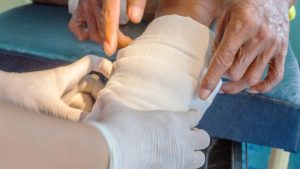 discomfort. This may include specialized wound dressings to protect the ulcer and maintain a moist environment for recovery. Compression therapy is commonly used for venous ulcers to improve blood flow and reduce swelling, while medications can help control infection, inflammation, or underlying conditions that contribute to the ulcer’s persistence.
In cases where conservative care is not enough, surgical or advanced interventions may be necessary. Procedures can range from minor debridement, which removes damaged tissue, to more involved treatments that improve circulation or repair underlying vein issues. These interventions are carefully tailored to the patient’s specific condition and healing needs, often in combination with ongoing non-surgical care to maximize results.
Lifestyle changes also play a crucial role in both healing and prevention. Maintaining a healthy weight, staying active, and managing chronic conditions such as diabetes or high blood pressure can support circulation and skin health. Proper leg care, including daily inspection and skin moisturizing, helps prevent new ulcers from forming and supports long-term wellness. By combining medical treatment with lifestyle strategies, patients can achieve more effective, lasting results.
Diabetic Ulcers and Specialized Care
Diabetic ulcers require prompt attention, as early intervention can significantly improve healing outcomes. These ulcers often develop on the feet or lower legs and may go unnoticed initially due to reduced sensation caused by nerve damage. Detecting and treating them early helps prevent infection and more serious complications, such as deep tissue damage or even amputation in severe cases.
Diabetes affects the body’s ability to heal wounds in several ways. High blood sugar can damage blood vessels and nerves, reducing circulation and sensation. This slows the healing process and increases the risk of infection. Patients with diabetes may also experience other health issues, like weakened immunity, which can further complicate recovery.
Preventive measures and ongoing monitoring are essential for managing diabetic ulcers. Daily foot and leg inspections, proper hygiene, and moisturizing dry skin can help prevent new ulcers. Regular visits with a wound specialist allow for careful monitoring, early detection of any changes, and adjustments to treatment plans. By combining vigilant self-care with professional oversight, patients can reduce the risk of recurrence and support long-term leg health.

Long-Term Management and Prevention
Preventing leg ulcers from recurring requires consistent care and proactive strategies. Compression therapy and proper wound management during the initial healing phase are essential for reducing the risk of new ulcers. Patients are also encouraged to maintain a healthy lifestyle, including regular exercise to improve circulation and managing chronic conditions such as diabetes or vascular issues.
Daily foot and leg care routines play a critical role in long-term health. Inspecting the skin for early signs of irritation, keeping the legs clean and moisturized, and wearing supportive footwear can help protect against future wounds. Elevating the legs periodically can also improve circulation and reduce swelling, which contributes to overall skin health.
Patient education and follow-up care are key components of prevention. Understanding the factors that contribute to leg ulcers, recognizing early warning signs, and knowing when to seek medical attention empowers patients to take an active role in their care. Regular follow-up appointments with a wound specialist ensure ongoing monitoring, timely adjustments to treatment plans, and guidance for maintaining healthy legs over time.
Schedule Your Leg Ulcer Treatment in Roswell
Patients experiencing leg ulcers are encouraged to seek care promptly. They can schedule leg ulcer treatment in Roswell online or call 770-992-9980 to begin a personalized care plan with a wound specialist. During the consultation, the specialist evaluates the condition, reviews the most effective treatment options, and provides guidance to prevent future ulcers.